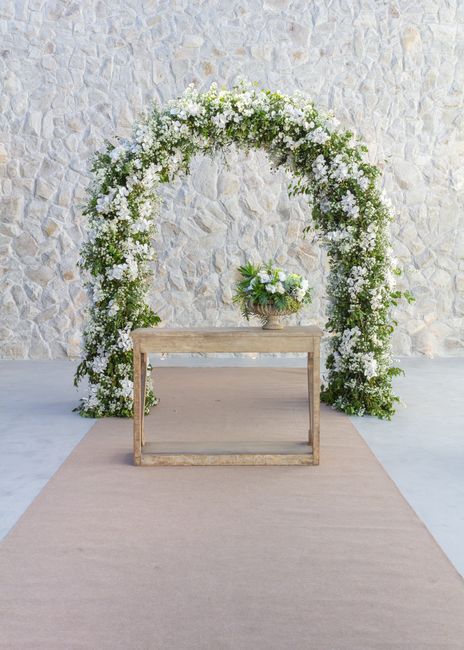
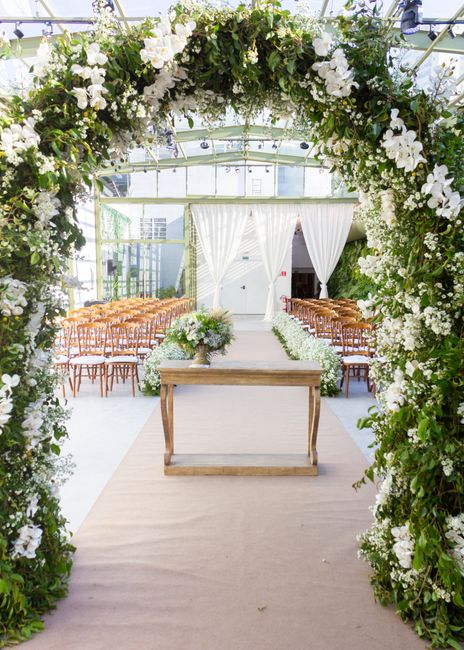
Safely Rigging Floral Arches for Event Venues
Floral arches can transform a room in seconds. You walk into a venue, see that first clean sweep of blooms over a ceremony aisle or entrance, and the whole space suddenly feels intentional. But behind that moment is a very practical question: how do you rig a floral arch safely so it looks elegant without becoming a hazard?
That is the real job here. Safely rigging floral arches for event venues is not just about making them stand upright for photos. It is about managing weight, wind, foot traffic, fixings, flooring, timing, and the venue's own rules. Get it right and everything feels calm. Get it wrong and, well, nobody wants a wobbling arch while guests are arriving in their best shoes.
This guide breaks down the process in plain English. You will find the main risks, the best methods, the tools that matter, what venues usually expect, and a few field-tested habits that make life easier on install day. If you are planning flowers for a wedding, brand launch, hotel reception, or conference entrance, this is the practical version you actually need.
For flowers that need to arrive looking fresh before setup, it also helps to understand the basics of flower care, and if you are arranging multiple event elements through one supplier, it can be useful to review delivery details and service guarantees before the event day gets busy.
Table of Contents
- Why Safely Rigging Floral Arches for Event Venues Matters
- How Safely Rigging Floral Arches for Event Venues Works
- Key Benefits and Practical Advantages
- Who This Is For and When It Makes Sense
- Step-by-Step Guidance
- Expert Tips for Better Results
- Common Mistakes to Avoid
- Tools, Resources and Recommendations
- Law, Compliance, Standards, or Best Practice
- Options, Methods, or Comparison Table
- Case Study or Real-World Example
- Practical Checklist
- Conclusion
- Frequently Asked Questions
Why Safely Rigging Floral Arches for Event Venues Matters
A floral arch is not just decoration. It is a structure. That distinction matters because once flowers are lifted, suspended, or anchored in a venue, you have moved from styling into practical load management. Even a modest arch can become heavy once you add foam, water sources, fresh stems, fabric, lighting, or signage.
The obvious risk is collapse, but it is not the only one. Poorly secured arches can shift during guest movement, tip under uneven weight, damage floors, scratch historic surfaces, block exits, or interfere with venue operations. In hotels and listed buildings especially, the expectations are usually stricter than people assume. To be fair, that is sensible. A venue has to protect guests, staff, and its own property.
There is also the reputational side. If an arch sags halfway through a ceremony or looks untidy in photos, the whole event can feel less polished. People remember the beautiful part, yes, but they also remember the moment something looked unstable. Nobody wants that tiny internal gasp from a wedding coordinator five minutes before the processional.
Safe rigging also protects your working relationship with the venue. When setup is tidy, documented, and respectful of the site, venue teams tend to relax. That makes everything smoother, from access times to final strike. And in events, smooth is gold.
Expert summary: safe floral arch rigging is really about three things at once: controlling weight, protecting the venue, and ensuring the arch stays stable for the full event, not just for the install photo.
How Safely Rigging Floral Arches for Event Venues Works
At a practical level, floral arch rigging means creating a load path from the finished design down to a stable support point. That support point might be a weighted base, a freestanding frame, a venue-approved fixture, or a combination of methods. The right choice depends on the arch design, venue layout, floor type, installation window, and whether the arch is temporary or semi-permanent.
The process usually starts with identifying the structure type. Is it a full arch, a half arch, a broken arch, a circular hoop, or a grounded entrance frame? Each style behaves differently. A full, heavily flowered arch catches the eye, but it also catches airflow and adds weight above head height. A low, ground-based installation is easier to secure, but it may not create the same visual drama.
Next comes the venue check. You need to know what can be fixed to, what cannot be fixed to, where guests will walk, how wide the access route is, and whether any fire exits, alarms, sprinklers, or emergency lighting could be affected. Sounds basic, but on site day those details are the difference between a calm setup and a messy one.
Then there is the actual anchoring system. In some cases, the structure uses heavy weighted plates hidden under drape or foliage. In others, it uses base stands, cross-bracing, clamps, or discreet tethering. The flowers are usually attached after the core structure is stable, not before. That sequence matters because once the blooms are on, last-minute repositioning becomes slower and riskier.
The final step is testing. A safe rig should be checked from more than one angle, gently loaded, and observed as the design settles. Fresh flowers move a little. Fabric moves. Venue floors are not always perfectly level. If you do not test, you are basically hoping for the best, and hope is not a rigging method.
Key Benefits and Practical Advantages
Safe rigging is not only about avoiding problems. It also improves the whole event experience.
- Better visual stability: the arch stays square, balanced, and camera-ready throughout the event.
- Reduced installation stress: the team works more confidently when the structure is predictable.
- Venue confidence: venues are more likely to approve future installs when they see careful methods.
- Less product damage: fresh stems and delicate blooms are less likely to get crushed during awkward adjustments.
- Cleaner guest experience: no loose wires, visible ballast, or trip hazards spoiling the scene.
- Fewer last-minute surprises: a properly planned arch is far less likely to need emergency reinforcements.
There is also a creative benefit. When the structure is secure, designers can focus on shape, movement, and texture rather than worrying whether the whole piece will drift to one side. That freedom shows in the final result. A confident structure gives you more room to create something actually memorable.
For businesses managing repeat installs, consistent methods also make operations easier. If you work on recurring hospitality or corporate setups, a supplier account through corporate services can simplify ordering and planning across multiple events, especially when timing is tight and everyone is juggling three different emails at once.
Who This Is For and When It Makes Sense
This topic matters to anyone responsible for floral installations in a venue environment. That includes wedding florists, event stylists, production teams, hotel banqueting staff, brand activation agencies, and in-house venue coordinators who need to approve or supervise installations.
It is especially important when:
- the arch is freestanding and has to remain stable without constant supervision
- the flowers are heavy, oversized, or include water-based mechanics
- the venue has strict rules about walls, ceilings, historic surfaces, or floor protection
- guests will walk beneath or very near the installation
- the event lasts several hours, or overnight in some cases
- there are children, high footfall, or moving furniture nearby
It also makes sense whenever you are working in a venue you do not control. At home or in a studio, you can often improvise. In a venue, you really should not. The building is not yours, the foot traffic is not yours, and the consequences are not yours alone either. That changes the standard, plain and simple.
If you are sourcing flowers for a one-off event and need timing to line up with your install window, flower delivery options can be a useful starting point, especially when the setup team is working early in the morning or between venue changeovers.
Step-by-Step Guidance
1. Start with the venue briefing
Ask the venue what is allowed before you design the arch. Do not assume hooks, beams, walls, or ceilings can be used. Some venues will permit only freestanding structures. Others require protective floor pads, proof of method, or a full install plan. The more historic the venue, the more careful you should be.
2. Measure the space properly
Measure the width, height, aisle clearance, ceiling height, doorways, and the path from loading bay to install point. Small access routes can turn a simple arch into a logistics puzzle. That old trick of "we'll make it fit on the day" is rarely fun when the clock is ticking and the florist van is blocking the service yard.
3. Choose the correct structure
Match the frame to the design. A lightweight metal arch may work for a minimal floral installation, but a dense, asymmetrical piece will usually need stronger support and broader footing. If the design has one heavy side, plan for counterbalance early, not after the flowers are already attached.
4. Build the base first
Set the feet, weights, or anchoring points on level ground if possible. Check that the base cannot slide. If the flooring is polished, protected, or slightly uneven, add appropriate non-marking stabilisation. This is the boring part. Also the part that saves the day.
5. Test the frame without flowers
Before the floral work begins, gently apply pressure to the structure. Look for sway, rotation, flexing, or movement in the base. If it moves more than you are comfortable with, stop and correct it. Once flowers are attached, adjustments become slower and messier.
6. Add mechanics and greens
Attach floral mechanics in a way that does not overload one area. Distribute weight evenly. Keep water sources controlled, especially near floors and electrical equipment. Moss, foam, clips, zip ties, cable ties, and hidden supports all have a place, but they must be used with judgement.
7. Place focal blooms and final balance points
Work from the structural areas outwards. Large focal flowers should help balance the arch, not fight it. Step back often. You will notice balance faster from six or seven metres away than when your nose is buried in the peonies.
8. Secure loose elements
Check ribbons, trails, wired stems, signage, and drapes for movement and snag risk. Anything that can catch on a dress, jacket, or guest bag should be shortened, tied back, or repositioned. This is one of those tiny details that people only notice when it is missing.
9. Recheck after settling
Fresh flowers settle. So do frames. Give the installation time, then recheck all weights, ties, and balance points before guests arrive. If the venue changes lighting, temperature, or airflow, check again. A warm room in late afternoon can be a different beast from the cool loading period at 8 a.m.
Expert Tips for Better Results
Good rigging is often about habits, not heroics. A few small routines make a big difference.
- Build for the event length, not just the opening photo. A three-minute design review is not the same as a six-hour ceremony and reception setup.
- Use more stability than you think you need. In event work, overconfidence is a sneaky problem.
- Protect the venue before you protect the aesthetics. If the floor or wall gets damaged, the conversation changes very quickly.
- Keep spare ties, weights, and tools within reach. You do not want to be hunting for cable ties with one hand while holding a stem bundle with the other.
- Photograph the build before and after floral dressing. Useful for your records, and frankly useful when someone later asks, "Was that base weight always there?"
One practical habit we recommend is to have a separate "rigging check" from the design check. They are not the same thing. A design can look finished and still have weak anchor points. That split assessment sounds a little fussy, but it really helps in busy venues where people are tempted to focus only on how pretty the arch looks from the aisle.
And yes, it is perfectly normal to do one last walk-around with the venue manager while everyone else is pretending not to be nervous. That little pause can catch a loose tie or a forgotten cable before it becomes everyone's problem.
Common Mistakes to Avoid
Most problems with floral arch rigging are preventable. Here are the ones that come up again and again.
- Underestimating weight: foliage, water, foam, and mechanics add up quickly.
- Ignoring floor type: slick stone, thick carpet, timber, and temporary flooring each need different stabilisation.
- Fixing to the wrong thing: not every beam, wall, or decorative feature is load-bearing or allowed.
- Overloading one side: asymmetrical designs need deliberate counterbalance.
- Leaving visible clutter: weights, tape, and cable ends can spoil the look and create trip points.
- Skipping the final test: the frame may look fine until it is nudged by a guest, staff member, or door draft.
A less obvious mistake is designing the arch in isolation. The venue context matters. A big rounded arch might look perfect in a barn but feel cramped in a narrow ballroom entrance. Likewise, a soft, airy style can disappear in a huge atrium. The structure has to suit the room, not just the mood board.
Another one? Assuming the installer and the venue are talking about the same thing when they say "secure." They often are not. One person means visually stable, the other means physically anchored. Best to clarify. Every time, if possible.
Tools, Resources and Recommendations
You do not need fancy kit for every build, but you do need the right kit. The exact tools vary by structure and venue, yet a solid event rigging bag often includes the following:
- metal arch frame or approved freestanding support
- weighted base plates or ballast
- non-marking floor protection
- cable ties, floral wire, and discreet fastening materials
- pliers, cutters, tape, and a small multi-tool
- level or laser measure for checking alignment
- step stool or ladder where safe and permitted
- gloves and basic hand protection
- storage tubs for blooms, mechanics, and spare parts
It is also wise to have venue documents and order confirmations in one place. That sounds dull. It is dull. But it saves headaches when you need to confirm delivery timing, redress a damaged stem, or answer a question about what was ordered and when. For terms around supply, payment flow, or post-event adjustments, pages such as payment information and returns and refunds can be helpful reference points.
For teams concerned with sourcing ethics and wider business practices, it can also be reassuring to review sustainability commitments and the company's modern slavery statement, especially when flower supply chains are being discussed at a procurement level.
Law, Compliance, Standards, or Best Practice
Rigging floral arches in event venues is usually governed less by one single law and more by a mix of venue rules, general health and safety duties, fire considerations, and common-sense best practice. In the UK, you should always follow the venue's instructions, risk assessment process, and any relevant site-specific requirements. If the venue asks for method statements, insurance details, or installation limits, treat that as standard professional practice rather than red tape.
Depending on the venue, you may also need to think about:
- Fire safety: arches should not block exits, alarms, extinguishers, or sprinkler coverage.
- Trip hazards: anything near a guest route should be securely fixed and kept tidy.
- Manual handling: heavy frames and ballast should be moved safely, ideally with the right team size.
- Protecting surfaces: walls, floors, and historic finishes may require non-marking protection.
- Working at height: only use ladders or steps where appropriate and safe.
If you are unsure, ask the venue before the install date. Honestly, that is the best advice in the whole article. A short clarification email can prevent a long, awkward conversation on the day.
It is also good practice to document your install method, especially for repeat venues. A simple set of photos and notes can save time next time around and show that you work carefully. That does not have to be formal or dramatic. Just clear.
Options, Methods, or Comparison Table
Different arch setups suit different event needs. Here is a practical comparison of common approaches.
| Method | Best for | Advantages | Limitations |
|---|---|---|---|
| Freestanding weighted frame | Weddings, entrances, general event styling | Versatile, venue-friendly, easy to reposition | Can be bulky; needs enough ballast |
| Wall- or ceiling-fixed support | Approved permanent or semi-permanent installs | Very stable when properly approved | Requires strict venue permission and planning |
| Ground-based half arch | Smaller spaces, side tables, ceremony backdrops | Lower risk, less material needed | Less immersive than a full arch |
| Broken or asymmetrical arch | Modern weddings, editorial styling, branded events | Visually striking, lighter in some areas | Requires careful counterbalancing |
In practice, the safest option is often the simplest one that meets the brief. A full suspension-style look can be beautiful, but if the venue will only accept freestanding pieces, build a design that works with that reality. Good designers do that all the time. It is not a compromise; it is professional judgement.
Case Study or Real-World Example
Imagine a late-afternoon wedding in a London hotel ballroom. The couple wants a lush arch at the ceremony entrance, with soft white roses, greenery, and a little movement in the shape. The room has polished floors, a narrow service door, and a steady stream of staff moving chairs between breakfast and the early setup window.
The first step is a venue briefing. The team confirms that nothing can be fixed to the walls and that the arch must be fully freestanding. They measure the entrance route, note the floor finish, and check the turning space from the lift lobby. Not glamorous work, admittedly, but absolutely necessary.
On install day, the base is assembled first and protected with non-marking pads. The team tests the frame before adding florals. One side is intentionally weighted more heavily because the design will be asymmetrical. After the first round of flowers, they step back, adjust, and recheck. The arch looks beautiful, but the real win is that it stays steady when guests begin arriving and there is a little airflow every time a door opens.
The whole thing feels calm. No drama, no scrabbling for extra tape, no visible wobble in the last ten minutes. That is what good rigging gives you: a peaceful room and a design that does its job without shouting about it.
Practical Checklist
Use this checklist before any floral arch installation in a venue:
- Venue permissions confirmed in writing or clearly agreed
- Measurements taken for entrance, height, and floor space
- Arch structure chosen to suit the design and venue rules
- Base weights or ballast selected and checked
- Floor protection prepared for the surface type
- Flowers and mechanics sorted by weight and placement
- Tools packed: cutters, ties, tape, gloves, ladder or stool if needed
- Trip hazards removed or concealed
- Load test completed before guest arrival
- Final visual check from guest eye level
- Emergency contact or site manager identified
- Strike plan confirmed for after the event
Quick reminder: if a detail feels uncertain on the morning of the event, slow down and check it. A few extra minutes now can save a very stressful twenty later.
Conclusion
Safely rigging floral arches for event venues is a mix of design thinking, practical engineering, and venue respect. The best installations look effortless because the hard work has already been done: the measurements, the weight checks, the right base, the right fixings, the right timing. That is the bit guests never see, and honestly, that is how it should be.
When you build with stability in mind, you protect the flowers, the venue, the guests, and your own reputation. You also give yourself more freedom to be creative, which is what good event work should feel like. Careful, but not stiff. Structured, but still beautiful.
If you are planning a floral arch for an upcoming venue install, take the time to confirm the structure, the permissions, and the logistics before you start dressing blooms. It makes everything lighter, smoother, and a lot less nerve-racking.
Get a free quote today and see how much you can save.
And if the arch stands perfectly straight at the end of the night, with petals still looking fresh in the warm light, that quiet little satisfaction is hard to beat.
Frequently Asked Questions
How do you safely rig a floral arch in an event venue?
You start with venue approval, then choose a suitable frame, add enough ballast or fixing points, protect the floor, and test stability before flowers go on. The key is to secure the structure first and the aesthetics second. That order matters more than people think.
What is the safest type of floral arch for a venue?
For many venues, a freestanding weighted arch is the safest and most flexible option because it avoids unnecessary fixing to walls or ceilings. The safest choice still depends on the room, the floor, the flower weight, and the venue's own rules.
Can floral arches be attached to walls or ceilings?
Sometimes, but only if the venue explicitly allows it and the support point is appropriate. Never assume decorative surfaces, beams, or fixtures are load-bearing. If in doubt, use a freestanding method instead.
How much weight can a floral arch hold?
There is no one-size-fits-all answer. It depends on the frame, the fixings, the ballast, and how the weight is distributed. A small structure may take only light florals, while a larger frame may need much stronger support. If the arch is heavily dressed, treat it as a substantial load.
Do you need a risk assessment for floral arch installation?
In professional event settings, yes, that is usually a sensible part of the planning process. Venues often expect installers to think through hazards such as trip points, falling objects, blocked routes, and surface protection. Keep it practical and site-specific.
What flowers work best for a rigged floral arch?
Hardier blooms and greenery usually perform better for larger structures, especially if the event is long or warm. Delicate flowers can still work, but they need careful support and timing. The right choice depends on the design and how long the arch needs to hold up.
How far in advance should a floral arch be installed?
That depends on the flower types, room conditions, and venue access. Some arches are installed a few hours before the event, while others can be completed earlier if the environment is suitable. Freshness and logistics both matter.
What are the most common safety mistakes with floral arches?
The biggest mistakes are underestimating weight, using the wrong base, ignoring floor conditions, and failing to test the structure before guests arrive. Another common one is leaving visible clutter that creates a trip hazard or spoils the finish.
How do you stop a floral arch from wobbling?
Improve the base, increase ballast, check the floor contact points, and make sure the weight is distributed evenly. If the design is top-heavy, you may need to reduce upper density or add counterbalance. Small movements matter, so recheck after the first round of florals.
Can a floral arch damage venue floors?
Yes, it can if it is dragged, if weights are unprotected, or if moisture leaks onto delicate flooring. Use non-marking pads, lift rather than slide where possible, and confirm what the venue expects for surface protection.
What should I ask the venue before installing a floral arch?
Ask about allowed fixing methods, access times, floor protection, fire exits, load limits, and whether the structure can remain in place for the duration of the event. It is also worth asking about cleaning, striking, and any venue-specific restrictions. One short pre-event check can save a lot of awkwardness later.
Where can I check delivery or service details for event flowers?
For practical planning around order timing, it helps to review the site's delivery information, and if you need help with larger or repeated orders, getting in touch is the simplest next step.
What if my venue wants proof of good practice?
Share your measurements, install plan, and any notes on weights or protection methods. You do not need to overcomplicate it. A clear, thoughtful approach is usually enough to reassure a venue that the installation has been properly considered.