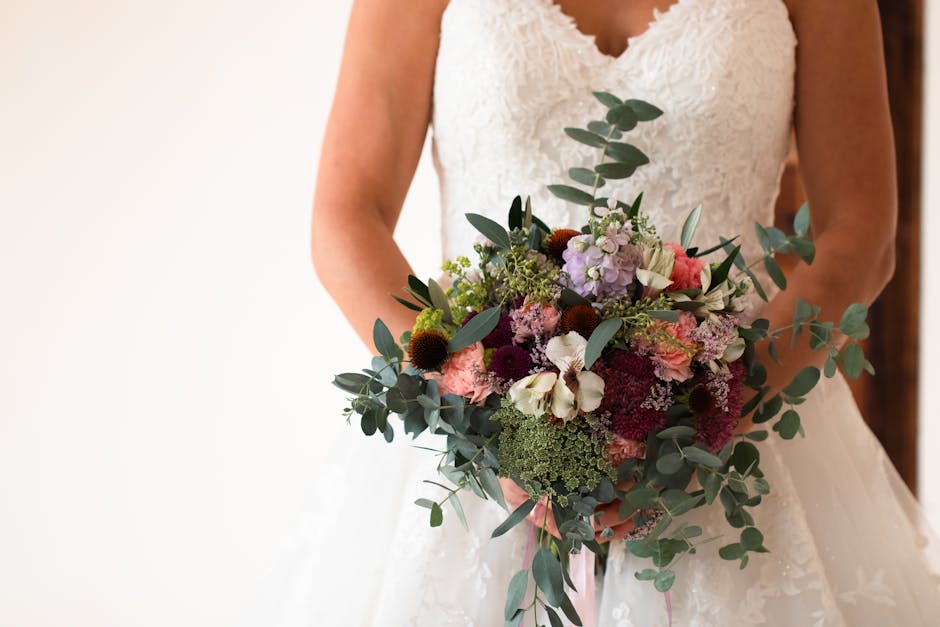
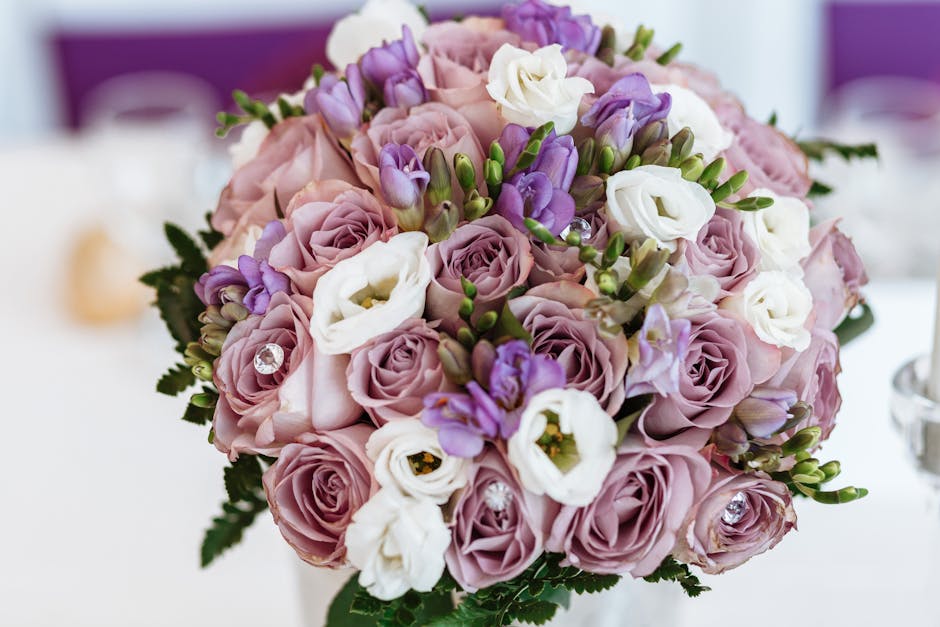
Real Prices: What UK Wedding Flowers Cost in 2026
If you are trying to budget for a wedding in the UK right now, flowers can feel a bit slippery. One florist says one thing, another gives you a number that makes you blink twice, and somewhere in the middle you are just trying to work out what is actually realistic. This guide on Real Prices: What UK Wedding Flowers Cost in 2026 cuts through the fluff and gives you a grounded view of what couples are paying, what pushes the price up, and where you can make sensible savings without making the day look sparse.
To be fair, wedding flowers are never just "flowers". They are the bouquet in your hand, the colour running through the ceremony, the centrepieces people notice while they are chatting over dinner, and often the detail that quietly ties the whole day together. That is why pricing matters so much. If you understand the moving parts, you can plan properly, brief a florist with confidence, and avoid that awkward moment where you realise the quote does not match the vision in your head.
Below, you will find realistic UK price ranges for 2026, how florists typically price their work, what different arrangements usually include, and how to tell whether a quote is good value. If you are still comparing broader wedding suppliers too, it can help to look at related planning pages such as wedding flowers, funeral flowers, and about us so you can understand the style and service behind the prices.
Table of Contents
- Why Real Prices: What UK Wedding Flowers Cost in 2026 Matters
- How Real Prices: What UK Wedding Flowers Cost in 2026 Works
- Key Benefits and Practical Advantages
- Who This Is For and When It Makes Sense
- Step-by-Step Guidance
- Expert Tips for Better Results
- Common Mistakes to Avoid
- Tools, Resources and Recommendations
- Law, Compliance, Standards, or Best Practice
- Options, Methods, or Comparison Table
- Case Study or Real-World Example
- Practical Checklist
- Conclusion
- Frequently Asked Questions
Why Real Prices: What UK Wedding Flowers Cost in 2026 Matters
Wedding flowers are one of those line items that can look optional until you start planning properly. Then suddenly they are everywhere: ceremony backdrop, aisle flowers, buttonholes, bridal bouquet, bridesmaids' bouquets, reception tables, stair garlands, mantel designs, entrance pieces. Even a fairly modest setup can add up quickly.
That is why knowing real prices matters more than browsing inspiration images. A picture on social media tells you what something looks like; a price range tells you whether it is possible. And in 2026, with supplier costs, seasonal availability, transport, setup time, and flower variety all affecting the final figure, the gap between "nice idea" and "actual budget" can be wider than people expect.
There is also a trust angle here. Couples often get their first flower quote and wonder, is this normal? Or worse, they assume every florist is charging wildly different amounts for the same thing. Usually, that is not the full story. One quote may include delivery, setup, and breakdown; another may simply list the blooms. One may be using roses, orchids, and imported stems; another may be built from seasonal British flowers. Same wedding, very different economics.
Understanding pricing helps you ask better questions, compare quotes fairly, and avoid overbuying. It also helps your florist help you. A good brief saves time for everyone, and honestly, that matters. Nobody wants a beautifully written mood board that secretly belongs to a much bigger budget.
If you are building a wider wedding plan and want a sense of how flowers fit into the whole supplier picture, pages like contact us and our mission can give useful context on service style and how a florist works with couples.
How Real Prices: What UK Wedding Flowers Cost in 2026 Works
Wedding flower pricing usually follows a few practical layers. The first is the flowers themselves. The second is labour. The third is logistics. Then, depending on the florist, you may also pay for design time, sourcing, containers, mechanics, foam-free structures, delivery, and setup on the day.
In plain English, a bouquet is not priced only by the stems you can see. You are also paying for the time it took to source them, condition them, bind them, finish them neatly, and make sure they hold up through the ceremony, photographs, transport, and the rest of the day. That invisible work is often where couples underestimate cost. The pretty bit is only part of the story.
In 2026, UK wedding flower costs are still driven by the same key factors:
- Seasonality - flowers in season are usually more cost-effective and easier to source.
- Flower choice - roses, peonies, orchids, garden roses, and speciality blooms tend to cost more than simpler seasonal stems.
- Volume - the more arrangements you need, the higher the labour and material cost.
- Design complexity - large installations, arches, hanging arrangements, and statement centrepieces take more time and equipment.
- Delivery and installation - if the florist has to travel, set up, and return later for collection, the quote reflects that.
- Location - London and other high-cost areas often price differently from rural locations, partly due to overheads and logistics.
There is no single national price list, and that is normal. But there are very usable ranges. For example, a bridal bouquet for a simple seasonal design may sit at a modest price point, while a luxury cascading bouquet with premium flowers can be several times higher. The same applies to centrepieces. A few bud vases on each table are not in the same bracket as a full floral meadow installation.
One useful way to think about it is this: if you ask for a wedding flower package, you are not buying a pile of stems. You are buying a designed service for a specific date, in a specific venue, with a specific look. That is why quotes vary. It is also why comparing them properly matters.
Key Benefits and Practical Advantages
Getting realistic about flower prices has a few immediate advantages. The obvious one is budget control, but there is more to it than that.
- You can plan a fuller wedding budget. Flowers stop being a vague line item and become an actual number you can work around.
- You can prioritise what matters most. Maybe the bouquet and ceremony arch matter most, while the tables can be simpler. Fine. That is a sensible choice.
- You avoid quote shock. If you already know the rough range, you are less likely to be thrown by a proposal that is completely off target.
- You get better value. Understanding what drives cost helps you spend on impact rather than excess.
- You can brief a florist more clearly. Clear budgets usually lead to better designs, fewer revisions, and less back-and-forth.
There is also a quieter benefit: peace of mind. Weddings are full of decisions, and flowers are one of the visual elements people remember. If the budget is grounded in real figures, you are less likely to second-guess every choice. That feeling of "we know what we are doing" is worth a lot, truth be told.
A practical example: a couple planning a registry office ceremony and a small dinner reception might decide to invest in one excellent bouquet, two bridesmaid posies, and simple table flowers. Another couple at a hotel venue might choose fewer statement pieces but larger reception designs. Both can look beautiful. The budget simply works harder in different places.
Who This Is For and When It Makes Sense
This guide is for couples who want a proper handle on wedding flower costs before they start signing off designs. It is also useful if you are helping someone else plan, because parents, wedding party members, and planners often get dragged into the budgeting part whether they planned to or not.
It makes particular sense if you are:
- starting from scratch and need realistic budget ranges
- comparing florist quotes and trying to understand the differences
- choosing between seasonal flowers and premium blooms
- planning a UK wedding in a city, especially London, where logistics can affect pricing
- deciding whether to keep florals simple or go for more decorative styling
- working out how to stretch a set budget without the day looking underdressed
It is also relevant if you are at the stage where Pinterest has become dangerous. You know the moment. One minute it is "just looking", the next minute there is a saved board full of oversized ceremony meadows and the budget has quietly doubled. Happens all the time.
If that sounds familiar, a florist with a clear service page such as wedding flowers can help anchor your expectations before the design chat gets too dreamy.
Step-by-Step Guidance
If you want real-world pricing without getting lost in floral jargon, follow a simple process. It keeps things calm and makes comparing quotes much easier.
- List the flowers you actually need. Start with the essentials: bouquet, buttonholes, bridesmaids' bouquets, ceremony flowers, table centres, and any entrance pieces.
- Separate must-haves from nice-to-haves. A floral arch may be a dream, but it is not always the best use of budget. Decide what matters most visually.
- Choose your style early. Classic, wild, romantic, modern, minimal, luxury - each style has its own cost profile.
- Be honest about the venue. A grand hotel, barn, marquee, or town hall all come with different practical needs. Tall ceilings and long tables change the game a bit.
- Ask for a quote breakdown. Good quotes usually separate flowers, labour, delivery, installation, and hire items.
- Check what is reusable. Some ceremony flowers can be moved to the reception. That one decision can save a fair bit.
- Confirm flower substitutions. Seasonal availability changes. Ask how the florist handles substitutions if your first-choice bloom is unavailable.
- Leave room for adjustments. A realistic budget usually includes some flexibility. Even a small buffer helps if you later add candles, extra stems, or a second bouquet.
Here is the plain truth: the best flower budgets are not built from "what looks nice" alone. They are built from the couple's priorities. A simple but well-executed design often looks better than an overfilled plan that strays beyond budget and leaves you quietly stressed.
When talking to a florist, try wording like this: "We love the look of soft romantic flowers, but we need to stay within a sensible budget. Can you show us what that looks like using seasonal blooms?" That one sentence can save a lot of time.
Expert Tips for Better Results
After years of seeing couples wrestle with flower budgets, a few patterns show up again and again. These are the ones that actually help.
Use seasonality as a pricing tool, not a compromise
Seasonal flowers often give you the best value and the most natural-looking arrangements. Spring favourites, summer garden blooms, late-summer textures, autumn foliage, and winter evergreens can all look elegant when used well. It is not about settling. It is about choosing cleverly.
Focus spend where people will actually see it
That sounds obvious, but it is easy to forget. The bouquet will be in close-up photos all day. The ceremony focal point will be behind you in most of the meaningful shots. The back corner of a room? Not so much. Spend accordingly.
Ask about scale, not just style
Two florists can describe a "luxury romantic design" and mean very different things. Ask how many stems, what size the arrangements will be, and whether the quote includes mechanics or hire vessels. Scale changes price fast.
Reuse where it makes sense
Ceremony arrangements can sometimes be repurposed for the reception. Buttonholes can be kept simple. Bridesmaid bouquets do not need to mirror the bride's bouquet exactly. Small decisions add up.
Get the logistics right early
Some venues restrict access times, load-in routes, or storage space. That affects florist labour and delivery windows. If the florist has to battle a tight staircase and a time limit, yes, that ends up in the quote. Fair enough, really.
A tiny but important note: always ask how the flowers will look at the actual time of day your ceremony or reception begins. Mid-afternoon arrangements can feel quite different from what you see when they first arrive.
Common Mistakes to Avoid
It is surprisingly easy to get wedding flowers wrong in the planning stage, even with a decent budget. The good news is that most mistakes are avoidable once you know what to look for.
- Comparing quotes without checking what is included. One package may include delivery and setup, another may not.
- Choosing blooms before setting a budget. This is how people end up emotionally attached to flowers that are wildly out of range.
- Overloading every part of the venue. Not every surface needs flowers. A more selective approach often looks more refined.
- Ignoring seasonality. Out-of-season flowers can be lovely, but they are usually pricier and less predictable.
- Forgetting setup time and access issues. Venue logistics are not glamorous, but they matter a lot.
- Leaving decisions too late. The best seasonal stems may not be available if you wait too long.
- Not asking about substitutions. If your florist is sourcing several varieties, you need to know how they will adapt if something changes.
One of the most common issues is emotional budgeting. A couple falls in love with a look, then spends weeks trying to make the numbers fit by trimming dozens of small things. By the end, the plan is both more stressful and less coherent. A clearer budget from the start avoids that mess.
And honestly, you do not need to turn the whole wedding into a floral showcase. Sometimes less is the stronger design choice.
Tools, Resources and Recommendations
You do not need fancy software to plan wedding flower spending, but a few simple tools can make the process much smoother.
- A wedding budget spreadsheet - even a basic one helps you see what is left after venue, catering, photography, and attire.
- A mood board with notes - save images, but write down what you actually like about them. Colour? Shape? Texture? Size?
- A venue plan or floor layout - helps your florist estimate scale accurately.
- A list of must-have flowers - useful if you have one or two meaningful blooms you want included.
- Photographs of your dress, suit, or colour palette - flowers should sit comfortably beside the rest of the styling.
Within a florist's own website, helpful pages can often show you whether their work leans classic, modern, luxury, or natural. For example, browsing service pages like wedding flowers and learning more through FAQ content can help you prepare better questions before you enquire.
If you are collecting ideas for a wider floral scheme, it can also be useful to understand a florist's broader style and practical approach. Sometimes the best "tool" is simply a good conversation. Old-fashioned, but effective.
Law, Compliance, Standards, or Best Practice
Wedding flowers are not heavily regulated in the way some other industries are, but there are still sensible standards and practical duties to keep in mind. The main one is simple: the service should be clearly described, priced transparently, and delivered safely and professionally.
From a best-practice perspective, couples should expect:
- clear itemisation or written confirmation of what is included in the quote
- agreed delivery and setup arrangements with timings and venue access considered
- reasonable substitution terms where seasonal flowers are involved
- clear understanding of hire items such as vases, stands, arches, or containers
- safe installation practices at the venue, especially for large or overhead designs
If you are dealing with a busy London venue, or anywhere with tight access, stairs, loading restrictions, or strict setup windows, it is worth discussing the practicalities early. That is not red tape for the sake of it. It is what keeps your flowers looking beautiful rather than rushed.
Also, be cautious about assumptions. A quote that looks cheaper may not include VAT if the business structure applies it, or it may exclude delivery and breakdown. Always ask what the total cost actually covers. No drama, just clarity.
Options, Methods, or Comparison Table
Different floral approaches suit different budgets and wedding styles. Here is a simple comparison to help you think through the trade-offs.
| Approach | Typical feel | Cost pressure | Best for |
|---|---|---|---|
| Seasonal, simple arrangements | Fresh, natural, understated | Lower | Budget-conscious couples, smaller weddings, registry office ceremonies |
| Mixed seasonal flowers with fuller styling | Romantic and polished | Moderate | Most mid-range weddings, hotels, barns, private venues |
| Premium blooms and bespoke design | Luxurious, high-impact | Higher | Statement weddings, editorial-style styling, large receptions |
| Statement installations and large structures | Dramatic, immersive | Highest | Couples prioritising wow-factor ceremony and reception visuals |
A practical note: a wedding does not need to sit entirely in one category. You might choose a premium bouquet but keep tables simple. Or use a dramatic ceremony installation and scale back the reception. That mixed approach is often the smartest one.
Sometimes the best-looking wedding flowers are the ones that are concentrated where they matter most. A few well-placed arrangements can carry a room beautifully. No need to fill every inch.
Case Study or Real-World Example
Here is a realistic planning example based on a typical UK couple's brief, the kind we see often enough that it barely feels like a special case.
A couple planning a Saturday wedding in a London venue wanted a soft romantic style with blush, ivory, and seasonal green tones. They loved the idea of a large ceremony feature, but their original inspiration board included more flowers than their budget could comfortably handle. Rather than cutting the style completely, they reworked the plan.
They kept the bridal bouquet as a priority piece, chose simpler bridesmaids' bouquets, used a modest but elegant ceremony installation, and moved some of the floral spending into reception table designs that could be reused in parts of the venue. The result was cohesive and polished without feeling overloaded.
The important bit was not that they "spent less". It was that they spent more intentionally.
That is the real lesson for 2026 pricing. A quote can look expensive until you look at the shape of the day. Then it starts making sense. Delivery, setup, timing, flower choice, venue access, and design complexity all stack together. Once you see that, the numbers become much easier to work with.
And yes, there were a few slight compromises. There usually are. But the final result felt considered, not compromised. That is the sweet spot.
Practical Checklist
Use this checklist before you approve a wedding flower quote. It will save you time, and probably a headache or two.
- Have I set a flower budget before falling in love with a design?
- Do I know which flowers are essential and which are optional?
- Have I checked what is included in the quote?
- Does the quote cover delivery, setup, and collection if needed?
- Are the flowers seasonal or likely to need importing?
- Do I understand how substitutions will be handled?
- Have I shared venue access details and timings?
- Have I asked whether any items can be reused later in the day?
- Is the style realistic for the budget and the venue size?
- Have I allowed a small buffer for last-minute changes?
Quick expert summary: the best wedding flower budget is not the biggest one. It is the one that is aligned with the venue, the season, the logistics, and the parts of the day that matter most to you. That is the bit people remember, usually.
Get a free quote today and see how much you can save.
Conclusion
When you strip away the glossy inspiration and the social media pressure, wedding flowers come down to a few simple truths. Price depends on flowers, time, scale, season, and logistics. A good quote should explain those things clearly. And the smartest couples do not just ask, "How much do flowers cost?" They ask, "What is the best way to spend our floral budget so the day feels beautiful and intentional?"
If you are planning a wedding in 2026, the biggest favour you can do yourself is treat flowers as a design investment rather than an afterthought. That does not mean spending wildly. It means choosing with care, asking the right questions, and trusting a florist who can turn a budget into something that feels calm, elegant, and genuinely yours.
There is a lot of noise around wedding planning. Flowers do not need to add to it. Keep it simple, keep it honest, and let the arrangement do its job quietly in the background while you enjoy the day.
And when the room is full, the music is low, and the flowers are doing that soft, lovely thing they do in the afternoon light, you will know you got it right.
Frequently Asked Questions
How much do wedding flowers cost in the UK in 2026?
There is no single fixed price, because costs depend on flower choice, season, size, design complexity, and delivery needs. A simple seasonal setup will cost far less than a large luxury installation. The safest approach is to budget by the arrangements you actually need, not by an online guess.
What is the biggest factor affecting wedding flower prices?
Usually it is the combination of flower choice and labour. Premium blooms, off-season stems, large installations, and on-the-day setup all increase the total. A bouquet may look like a small item, but the behind-the-scenes work matters a lot.
Are seasonal flowers cheaper for weddings?
Most of the time, yes. Seasonal flowers are often easier to source and work more naturally with the time of year. They can also look less forced in the final design, which is a nice bonus.
Is it cheaper to do wedding flowers myself?
Sometimes DIY can reduce costs, but not always by as much as people expect. You still need to buy the flowers, containers, tools, transport, and storage, and you take on the stress of conditioning and arranging everything. For small weddings, it can work. For larger weddings, it often becomes a bigger job than expected.
What should be included in a wedding flower quote?
A useful quote should clearly state the flower types or style, the arrangements included, delivery, setup, collection if relevant, and any hire items. If a quote looks vague, ask for more detail. Vague quotes are awkward later.
How far in advance should I book wedding flowers?
As early as you reasonably can, especially for peak wedding seasons. Booking early gives you better choice, more time for planning, and fewer compromises on style or stems. If your wedding is in a busy month, do not leave it too late.
Can wedding flowers be reused during the day?
Yes, often they can. Ceremony arrangements can sometimes be moved to the reception, and some table pieces can be repurposed for the cake area, entrance, or gift table. A good florist will tell you which items make sense to reuse.
Why do florist quotes vary so much?
Because not all quotes include the same things. One may include design time, delivery, installation, and premium flowers, while another may only cover materials. Venue distance, access, and the level of custom design also play a part.
Do London weddings usually cost more for flowers?
They often can, mainly because of logistics, venue access, and overheads. That does not mean every London quote is high, but it does mean you should look carefully at what is included rather than focusing on the headline number alone.
How do I stop wedding flowers taking over the budget?
Set a clear cap early, choose your priority areas, and be open to seasonal alternatives. Focusing on the bouquet, ceremony focal point, and key reception tables often gives better impact than trying to decorate every surface.
What if I love expensive flowers but have a modest budget?
That is a very common situation. The answer is usually to use the expensive flowers sparingly, mixing them with seasonal stems or greenery so you get the look without paying for every single arrangement in premium blooms. A clever florist can do a lot with a little, honestly.
Should I ask for substitutions if my first-choice flowers are unavailable?
Yes, absolutely. Availability changes all the time, especially with seasonal blooms. A good florist will explain how substitutions work and should keep the overall style consistent even if specific stems change.
What is the smartest first step if I am just starting?
Start with your budget and venue details, then decide which arrangements matter most. Once you know the essentials, getting a quote becomes much easier and much less overwhelming.