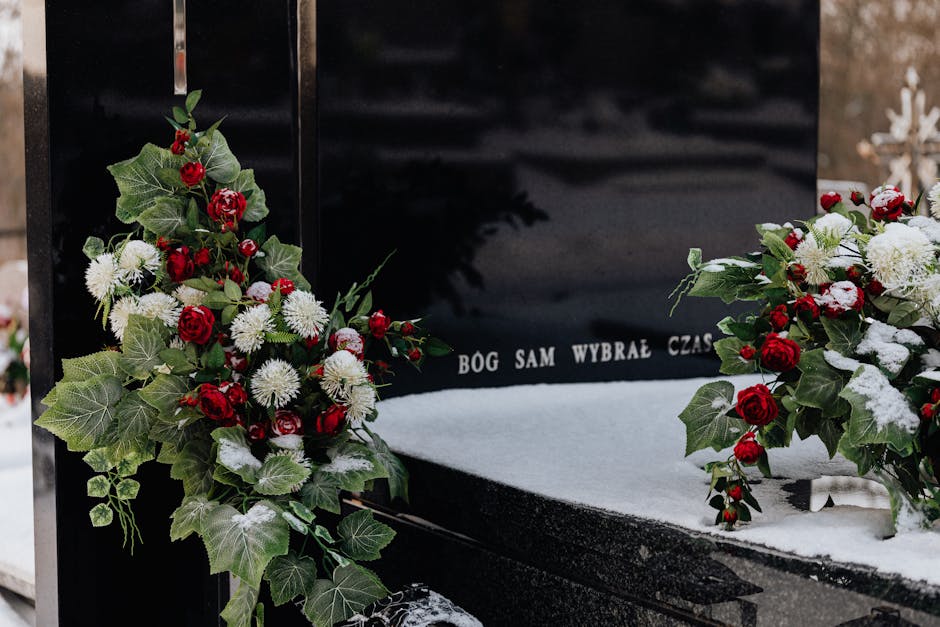
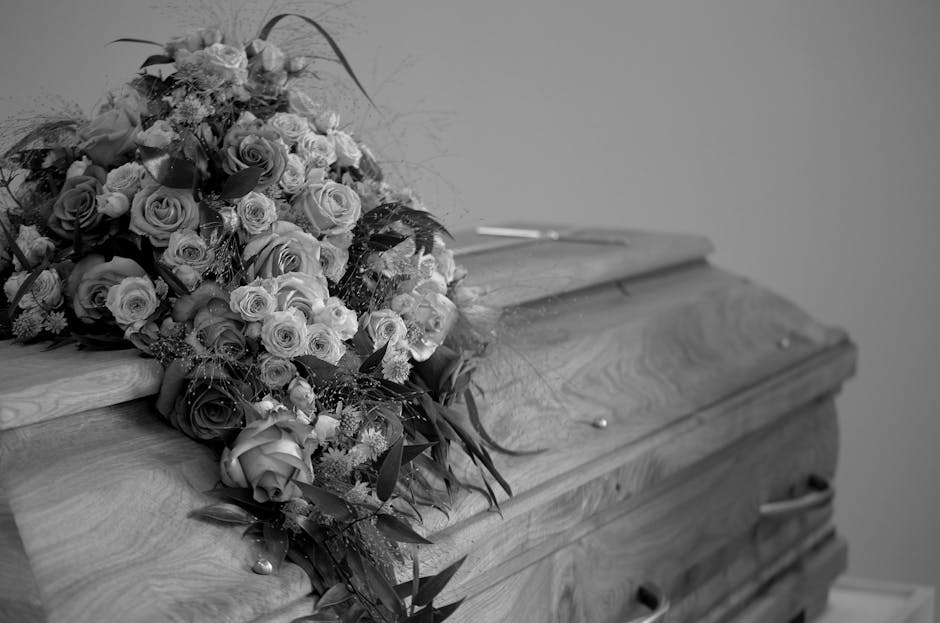
Quick guide to creating a funeral floral tribute at short notice
When a funeral is approaching and time is tight, arranging flowers can feel like one more thing you simply do not have the headspace for. That is exactly why this quick guide to creating a funeral floral tribute at short notice is here: to help you make a thoughtful, appropriate tribute without overcomplicating the process. Whether you need a simple spray, a wreath, or a personal arrangement, you can still choose something meaningful, tasteful, and beautifully put together.
Truth be told, most people are not planning funeral flowers in a calm, organised way. They are usually juggling phone calls, family messages, venue timings, and that low-level emotional fog that makes even small decisions feel bigger than they should. So let's keep this practical. You do not need to know floristry jargon, and you do not need hours to spare. You just need a clear order of decisions, a decent sense of what the family would appreciate, and a florist who can move quickly.
This guide covers the essentials: what a funeral floral tribute is, how to arrange one fast, what to ask for, what to avoid, and how to keep the result respectful and personal. If you are also trying to understand how timely flower ordering and delivery works, it can help to look at general flower delivery options and delivery timings before you place anything urgent.
Table of Contents
- Why quick funeral floral tribute planning matters
- How the process works at short notice
- Key benefits and practical advantages
- Who this is for and when it makes sense
- Step-by-step guidance
- Expert tips for better results
- Common mistakes to avoid
- Tools, resources and recommendations
- Law, compliance, standards, or best practice
- Options, methods, or comparison table
- Case study or real-world example
- Practical checklist
- Conclusion
- Frequently asked questions
Why quick funeral floral tribute planning matters
A funeral floral tribute does more than decorate a service. It expresses care, remembrance, and respect in a way that words often cannot manage on a difficult day. When you are working at short notice, the pressure can make the choice feel even more significant. That is normal. Flowers are often one of the last visible gestures people remember, so getting them right matters emotionally, not just aesthetically.
Short-notice planning also affects what is realistically available. Not every flower will be in season, not every design can be made instantly, and not every tribute suits every setting. A church service, crematorium, graveside gathering, or home wake all have slightly different expectations. A quick decision made with care is usually better than a rushed but overcomplicated one. In our experience, simple often lands best.
There is another reason this matters: family members often have enough to manage without sorting floral details from scratch. If you are helping someone else, a clear, fast plan saves them from last-minute stress. And let's face it, the day before a funeral is rarely the moment for a wild florist experiment.
Expert summary: A good short-notice funeral tribute is usually simple, well-chosen, and timely. The real goal is not elaborate design; it is a respectful arrangement that arrives when and where it should.
How quick funeral floral tribute planning works at short notice
At its simplest, the process moves through four decisions: the type of tribute, the wording or personal message, the colour palette, and the delivery timing. Once those are clear, a florist can usually suggest what is available now rather than what would be ideal in a perfect world.
That is the practical trick. Short notice means you are not designing from a giant menu. You are working with what is fresh, suitable, and deliverable in time. Many florists can create tributes quickly using dependable flowers such as roses, lilies, chrysanthemums, carnations, germini, and greenery. The exact mix will depend on the season and stock on the day.
A typical same-day or next-day request often looks like this: you choose a shape, provide a message, confirm where it needs to go, and agree a delivery window. If the tribute is going directly to a funeral venue, accuracy matters more than fancy extras. One missed postcode or a vague time slot can cause avoidable stress, and nobody needs that.
If you are making the arrangement yourself, you will need to move quickly with fresh stems, clean tools, and a container or base that suits the tribute. A practical reference point is a simple design guide such as DIY funeral floral tribute layouts for home arrangers, which can help you keep the structure neat and manageable.
Key benefits and practical advantages
There are a few clear advantages to handling a funeral floral tribute well, even under pressure.
- It reduces stress. A straightforward plan stops you circling the same choices again and again.
- It keeps the tribute appropriate. Quick does not have to mean careless. In fact, a restrained design is often more elegant.
- It helps with timing. Funeral schedules are usually fixed, so getting flowers arranged early is genuinely useful.
- It allows for personal meaning. Even a small card message, favourite colour, or flower choice can carry weight.
- It makes coordination easier. When several family members are involved, a clear tribute choice prevents duplicated effort.
There is also a quieter benefit: flowers can soften a room. Not in a dramatic way, just enough to bring warmth to a chapel, crematorium entrance, or reception table. You notice it immediately. The space feels more human. More considered. That small effect is part of why people continue to choose floral tributes, even when there are a dozen other things competing for attention.
If cost is part of your decision, it helps to compare styles and understand which tribute types use more flowers, mechanics, and labour. A wreath is structured and symbolic; a simple tied spray is usually more modest; a letter tribute or name piece takes more planning and precision. For wider context on what makes a sensible choice, you may also find DIY bouquets vs professional florists: when to save or splurge useful as a general decision-making guide.
Who this is for and when it makes sense
This kind of guidance is useful for a few different people. You might be a family member arranging flowers for a parent, partner, sibling, or friend. You might be helping with funeral logistics on behalf of an older relative who wants everything handled sensitively and quickly. Or you might simply have been asked to sort the tribute because you are the one person in the family who seems to know how to get things done. Happens all the time.
It makes sense when time is short and the tribute still needs to feel personal. That includes:
- funerals with only a day or two before the service
- situations where the florist needs to deliver directly to the venue
- last-minute requests for a family message or name tribute
- budget-conscious orders that still need to look respectful
- cases where the deceased had a favourite flower, colour, or style
It also helps if you are not especially confident with flowers. You do not need to be. Many people are far more confident choosing a tribute when they understand the basics of shape, colour, and message. If you want a broader sense of how flowers are used in other personal moments, the symbolism explained in flower symbolism and colour explained can give you a useful frame of reference.
Step-by-step guidance
1. Decide the purpose of the tribute
Start with the role the flowers need to play. Is this tribute from immediate family, extended family, colleagues, or friends? Is it meant to sit at the coffin, stand nearby, or be sent separately to the wake? That one detail shapes everything else.
If the tribute is from close family, people often choose something more personal, such as a name tribute, a special colour scheme, or favourite flowers. For colleagues or wider friendship groups, a wreath or formal spray is often more suitable. Not always, but usually.
2. Pick a simple style
Under time pressure, a simple shape is your friend. Common options include:
- Coffin spray: placed on top of the coffin, often chosen by immediate family
- Wreath: circular and traditional, often used for formal remembrance
- Posy or tied sheaf: smaller, neat, and easy to handle
- Name or letter tribute: more personal and visually distinctive
A florist can advise what suits the venue and the relationship to the deceased. If you are unsure, a tied sheaf or compact spray is often a safe and respectful option. Simple. Clean. No drama.
3. Choose flowers that are available quickly
Availability matters more than ideal preference at short notice. Roses, chrysanthemums, carnations, lilies, alstroemeria, and seasonal greenery are often reliable choices, but local stock will change day by day. A good florist will suggest flowers that are fresh and suitable rather than forcing a difficult request that may compromise quality.
If the person had a strong favourite, mention it. Even if it cannot be used heavily, it may be possible to work it into the design as a focal flower or accent.
4. Decide on colour
Colour is one of the fastest ways to make a tribute feel appropriate. White and cream are classic and understated. Soft pinks, purples, and greens can feel gentle. Deeper reds, burgundies, and mixed seasonal tones can feel richer and more personal. For a more traditional funeral look, many people keep the palette restrained. For a celebration of life, brighter tones may feel more fitting.
A quick rule of thumb: if you are unsure, choose harmony over contrast. Too many loud colours can distract. A coherent palette tends to sit better in a funeral setting.
5. Write the message carefully
The message on the card or ribbon matters a lot, especially when the tribute is small. Short is usually better. A few examples:
- With love and always remembered
- Forever in our hearts
- Beloved Dad
- To a wonderful Mum
- With deepest sympathy
If the tribute is from a group, keep the wording clear. If space is tight, names may need to be shortened slightly, but do not make it so cramped that it is hard to read. Read it out loud once. Then again. It sounds silly, maybe, but it catches awkward wording fast.
6. Confirm delivery details
For a short-notice order, delivery details need to be exact. Have the venue name, address, service time, and any instructions ready. Funeral directors and crematoriums often have specific receiving procedures, so check whether there is a drop-off point or a preferred delivery window. If you are arranging a same-day delivery, leave enough time for the florist to prepare and travel.
For broader preparation around urgent timing, preparing for same-day flower delivery across the UK offers a helpful view of how timing usually works when speed matters.
7. Approve the final design and send it
Once the main choices are made, trust the florist to fill the gaps. That is the point of using a professional. You provide the direction; they handle the mechanics, conditioning, binding, and finish. If you are asked for approval photos, review them quickly but carefully. At this stage, delays can matter more than perfection.
Expert tips for better results
There are a few small things that make a big difference when time is short.
- Keep the tribute size realistic. A modest arrangement done well often looks more elegant than a large one done in a rush.
- Choose sturdy flowers. Delicate blooms can be beautiful, but sturdier varieties usually travel better and hold up through the service.
- Use a strong focal point. One main flower or colour theme gives the tribute a clear identity.
- Match the setting. A formal chapel service and a relaxed memorial gathering may call for different tones.
- Ask about flowers already in season. Seasonal choices are usually fresher and more dependable.
One small but useful observation: people often overthink the flower list and underthink the message card. Yet the card is what family members tend to read closely. It is the tiny written piece that people keep, photograph, or place with sympathy cards. So make that part count.
If you are comparing tribute styles, it can help to think in terms of visual impact, handling, and personal meaning. For example, a professional florist can often shape the same flower budget into either a neat wreath or a more personalised tribute, depending on what matters most to you. There is no universal right answer. Just the right one for this family, this day.
Common mistakes to avoid
Short notice is when avoidable mistakes become expensive, emotional, or awkward. These are the main ones to watch for.
- Leaving it too late. Even urgent tribute orders need time for preparation and delivery.
- Overcomplicating the design. Too many colours or flowers can make the tribute look crowded.
- Using vague delivery details. "The crematorium" is not enough. You need the full address and time.
- Choosing flowers purely by habit. A favourite flower may be lovely, but it still needs to suit the tribute and timeframe.
- Writing a card that is too long. If the wording spills awkwardly, the tribute loses impact.
- Assuming all florists can do every design instantly. Some tribute styles need more setup time than others.
Another common issue is asking for a style that does not match the relationship. A huge coffin spray from a work team, for example, may feel too much unless the family has asked for it. Likewise, a very formal wreath may feel distant if the person would have preferred something softer or more personal. The best tribute is the one that fits the moment, not the one that tries hardest to impress.
Tools, resources and recommendations
If you are arranging a funeral floral tribute quickly, the right tools are mostly practical rather than fancy. You may not need all of these, but they help.
- Phone notes or a message thread to keep names, times, and wording in one place
- The venue address so delivery is accurate first time
- A short list of preferred colours or flowers if the family has already discussed them
- Ribbon or card wording written out before placing the order
- Photos of the person's favourite flowers or garden style if you want a more personal design
As a broader recommendation, it is worth understanding flower care and handling if you are making or receiving the tribute yourself. Good conditioning keeps blooms looking fresher through the service. A practical refresher on this is cut flower care essentials, which covers the basics without unnecessary jargon.
If you are ordering regularly on behalf of a business, family office, or care setting, it may also help to keep a standing account or preferred supplier in place. That is where corporate accounts can simplify repeat ordering, especially when you need predictable invoicing and less admin.
Law, compliance, standards, or best practice
Funeral flowers are not heavily regulated in the way some services are, but there are still sensible standards and expectations to follow. Best practice matters here because funerals are sensitive, time-bound events and mistakes are hard to undo.
First, delivery instructions should be followed carefully. Funeral venues, crematoriums, churches, and funeral directors may have their own receiving arrangements. It is normal to check exact timing and access details before sending a tribute. That is not bureaucracy for its own sake; it is what prevents flowers arriving at the wrong point in the service.
Second, privacy and personal data should be handled with care if you are sharing addresses, contact details, or order information on behalf of family members. A reputable florist should handle customer details responsibly and clearly state their policies. If you are reviewing a provider's terms, privacy, or returns information, it is reasonable to look at pages such as privacy policy, terms and conditions, and returns and refund before placing an urgent order.
Third, best practice in floristry usually means honest expectations. If a requested flower is unavailable, a good florist should suggest a close alternative rather than promise something they cannot deliver well. In short-notice work, being upfront is a strength, not a weakness.
Finally, if sustainability matters to the family, ask about locally sourced or lower-waste options where available. Some arrangements naturally use more packaging and mechanics than others, so it is fair to ask how a tribute will be made. A careful approach to materials aligns with the kind of thoughtful choices many families prefer now.
Options, methods, or comparison table
If you are trying to decide quickly, comparing tribute types side by side can save time. Here is a simple overview.
| Tribute type | Best for | Speed at short notice | Typical feel | Notes |
|---|---|---|---|---|
| Coffin spray | Immediate family | Moderate | Formal, central, personal | Often larger and may need more flowers |
| Wreath | Traditional remembrance | Fast | Classic and respectful | Good when you want something recognisable |
| Tied sheaf | Friends, colleagues, neighbours | Very fast | Simple, graceful, easy to place | Useful when time is tight and budget is modest |
| Posy | Smaller personal tribute | Fast | Compact and gentle | Works well for a short message and clean colour palette |
| Name or letter tribute | Very personal or family-led orders | Slower | Distinctive and specific | May require more planning and stock coordination |
If you need the simplest practical answer, a wreath, posy, or tied sheaf is usually easiest to arrange quickly. A more complex tribute can still be done, but only if the florist has the time, materials, and clear instructions. The right choice is the one that matches both the service and the clock.
Case study or real-world example
Imagine a family arranging a funeral for a grandfather whose service is on Friday morning. It is Wednesday afternoon, the florist has just been contacted, and the family wants something traditional but not fussy. He liked white roses, had a soft spot for gardening, and was known for turning up early to every family event with a bag of mints and a slightly dubious joke.
In that situation, the best solution is probably not a huge, elaborate design. A neat white-and-green wreath or compact coffin spray would be timely, elegant, and easy to deliver. The florist could include white roses as the focal flower, add foliage for structure, and keep the card message short: "With love and gratitude, from all the family."
Why does this work? Because it respects the setting, reflects the person, and stays realistic. It also avoids the classic trap of trying to do too much in too little time. The family gets something personal without needing to overmanage every stem. To be fair, that is often the sweet spot.
In situations like this, people often worry that simple means inadequate. It does not. A restrained tribute can feel more dignified than a crowded one, especially when the flowers are fresh and the message is sincere. That small balance is what people remember afterwards.
Practical checklist
Use this checklist before you place the order.
- Confirm who the tribute is from
- Decide whether it is for the coffin, venue, or wake
- Choose a simple style that suits the timeframe
- Pick a colour palette or favourite flower
- Write the card or ribbon message
- Have the full delivery address ready
- Check the service time and delivery window
- Ask what is available today rather than assuming stock
- Confirm any special venue instructions
- Review the final wording before submission
If you are making the tribute yourself, add these too:
- Clean scissors or floral snips
- Fresh water and a suitable base
- Floral foam or mechanics if required
- Space to work without rushing
- Enough time for conditioning and finishing
A small calm pause before you order can save a lot of trouble later. Even five minutes helps. Seriously, five minutes.
Get a free quote today and see how much you can save.
Conclusion
Creating a funeral floral tribute at short notice does not have to be chaotic. If you keep the design simple, the wording thoughtful, and the delivery details exact, you can arrange something that feels respectful and genuinely personal. That is usually what matters most.
There will always be pressure in the background when a funeral is close, and that is only human. But flowers are one part of the picture, not the whole burden. Choose well, trust the process, and let the tribute do its quiet work. Sometimes the most meaningful gesture is also the most straightforward one.
And if all you manage is a clean, sincere arrangement with a heartfelt message, that is enough. More than enough, in most cases.
Frequently Asked Questions
How quickly can a funeral floral tribute be arranged?
Many funeral floral tributes can be arranged the same day or next day, depending on stock, design complexity, and delivery location. Simpler tributes such as tied sheaves, posies, and wreaths are usually the easiest to turn around quickly. If timing is very tight, the best move is to call early and be flexible with flower choices.
What is the best flower choice for a last-minute funeral tribute?
There is no single best choice, but roses, chrysanthemums, carnations, lilies, and seasonal greenery are commonly used because they are versatile and often available. If the person had a favourite flower, mention it and ask for a practical substitute if needed.
Is a wreath or spray better at short notice?
A wreath is often quicker and more straightforward to produce, while a coffin spray can be more personal and central to the service. If you need something very fast, a wreath or simple posy is usually easier to organise. If the tribute is from immediate family, a spray may feel more appropriate if time allows.
What message should I put on a funeral flower card?
Keep it short, clear, and sincere. Examples include "With love always," "Forever in our hearts," or "Beloved Dad." If the tribute is from a group, make sure the wording is readable and not too long. Short usually works best here.
Can I order funeral flowers online at the last minute?
Yes, provided the florist can still prepare and deliver them in time. Check the delivery details carefully and make sure the venue address and service time are accurate. If you are unsure, contact the florist before placing the order rather than hoping for the best.
How much should I spend on a funeral floral tribute?
That depends on your relationship to the deceased, the style of tribute, and your budget. A simple tribute can still be meaningful and appropriate. What matters most is that the arrangement is suitable for the occasion and arrives on time.
What if the flower I want is out of season?
A good florist will usually suggest a similar flower, colour, or texture that gives a comparable effect. Short-notice orders work best when you focus on the overall look and meaning rather than insisting on one exact bloom.
Can I make a funeral floral tribute myself?
Yes, if you have the time, tools, and confidence to do it properly. For a home-made tribute, keep the shape simple and use fresh flowers that will last through the service. If you want a practical structure guide, a home-arranger layout can help you stay organised.
What should I ask the florist before placing a rush order?
Ask what is available today, whether they can deliver to the funeral venue, what the cut-off time is, and whether they need any special instructions. It is also wise to ask about substitutions if a certain flower is unavailable.
How do I choose colours for a funeral tribute?
White, cream, and green are traditional and understated, while soft pinks, purples, and blues can feel gentle and personal. If you are unsure, use a calm, consistent palette. Too many colours can distract from the tribute's message.
Do funeral venues have special delivery rules for flowers?
Often, yes. Many venues and funeral directors have preferred delivery times or reception points. It is best to check the venue details before ordering so the flowers arrive where they should, when they should.
What is the easiest funeral tribute to arrange quickly?
A tied sheaf, posy, or simple wreath is usually the easiest to arrange quickly. These styles are neat, respectful, and less likely to need complicated construction. If speed is the main concern, keep the design straightforward and the message concise.
If you are still unsure, start with the simplest tribute that feels sincere. In moments like this, straightforward kindness often says the most.