Peek Behind the Blooms: 7 Astounding Facts About Tulips
Whether you're an avid gardener, a flower enthusiast, or just someone who enjoys a burst of color in spring, tulips have likely caught your eye with their impressive diversity and elegance. However, these striking flowers hide plenty of surprises beneath their vibrant petals. Join us as we peek behind the blooms and reveal 7 astounding facts about tulips that make them one of the world's most beloved--and intriguing--flowers.
1. Tulips: A Journey Across Continents
Though commonly associated with the Netherlands, tulips didn't originate in Europe. In fact, one of the most fascinating tulip facts is their journey from the wilds of Central Asia to the cultivation fields of Holland.
- Origins: The first wild tulips grew in the foothills of the Himalayas, stretching through modern-day Kazakhstan, Iran, and Afghanistan.
- Cultural Roots: Tulips were first brought into popularity by the Ottoman Empire in the 16th century, where they were celebrated as a symbol of abundance and indulgence.
- European Arrival: The first bulb made its European appearance thanks to botanist Carolus Clusius, who planted tulips in the Leiden University garden in the late 1500s.
Tulips quickly became a sensation, and their popularity in the Netherlands set the stage for one of history's most remarkable floral phenomena: Tulip Mania.
2. The Spectacular Saga of Tulip Mania
One of the most astounding tulip stories involves the economic craze known as Tulip Mania that overtook the Dutch Golden Age in the 1630s. During this period, tulip bulbs became more valuable than gold and were traded as a form of currency!
- Speculation Frenzy: Single rare bulbs sometimes sold for more than a house in Amsterdam.
- Economic Crash: The bubble popped in 1637, leading to dramatic financial losses. This event is now recognized as the first recorded speculative bubble in economic history.
Tulip Mania's legacy lives on as a cautionary tale about the risks of speculative investments and the enduring allure of rare tulip varieties.
3. Beyond Red and Yellow: Stunning Diversity in Tulip Colors and Shapes
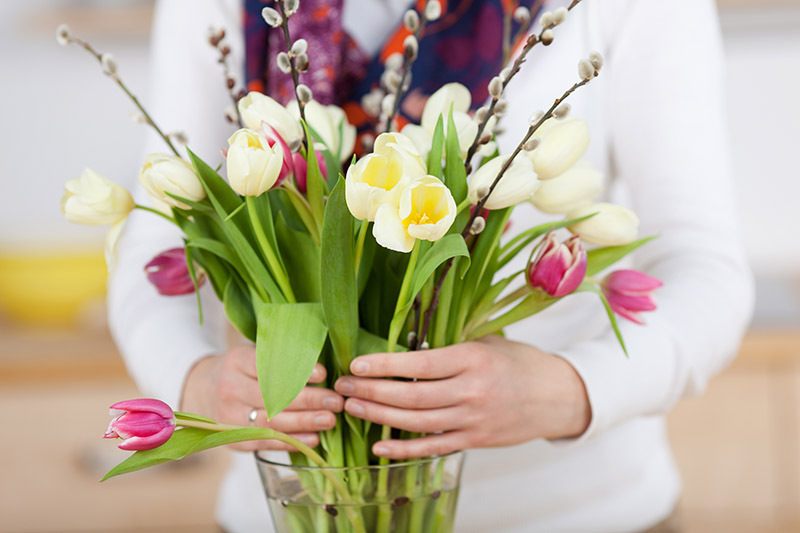
When we think of tulips, bright red or classic yellow usually comes to mind. However, the truth is far more colorful. Today, gardeners and florists have access to thousands of different tulip variations, the result of centuries of careful cultivation and hybridization.
Unbelievable Tulip Variety
- Over 3,000 Registered Varieties: Tulips now come in nearly every color imaginable, except true blue.
- Unique Petal Forms: From simple cup-shaped blooms to fringed, parrot-like, and even star-shaped blossoms, tulips are masters of disguise.
- Multi-Toned Blooms: Some tulip flowers sport vibrant streaks and flames of contrasting colors thanks to natural variations and viral infections that occurred hundreds of years ago.
This remarkable diversity ensures that tulips can suit almost any garden style, bouquet, or celebration--making them a perennial favorite among flower lovers.
4. Tulips in Art, Culture, and Symbolism
Tulips are not just admired for their beauty; they've become powerful cultural symbols and artistic muses across centuries and continents.
The Meaning of Tulips
- Love and Perfection: Tulips often symbolize deep love and perfect elegance, especially in the language of flowers.
- Royalty in the Ottoman Empire: The tulip became a symbol of nobility, wealth, and even paradise in Turkish culture. There's even a historical era named after the flower: The Tulip Era.
- Modern Symbolism: In the Netherlands, the tulip is a national icon--so much so that every spring the country celebrates tulip season with numerous festivals and sprawling fields of blooms visible from space!
From poetry and fashion to fine art, the tulip's timeless beauty inspires creators around the world.
5. Amazing Adaptations: How Tulips Survive and Thrive
Peek behind the blooms and you'll discover that tulips are remarkably resilient flowers, able to thrive in conditions that would challenge many other species. Their survival mechanisms are both simple and ingenious.
- Bulb Power: At the heart of every tulip is a bulb--a tightly packed storage organ that enables the plant to withstand harsh winters and dry summers.
- Seasonal Growth: Tulips have evolved to sprout and flower in spring, taking advantage of cool, moist soil before the summer heat dries it out.
- Dormancy: After blooming, tulips enter a dormant state, storing nutrients in the bulb for the following year's growth.
- Self-Defense: Some tulip species produce toxins that deter rodents and deer, ensuring their survival in the wild.
These adaptations help explain why tulips have become so widespread--both in nature and in gardens across the globe.
6. Tips for Growing Gorgeous Tulips at Home
Want to bring a touch of this astounding spring beauty to your own garden? Growing tulips at home is easier than you might think--with just a bit of planning and know-how, you can enjoy brilliant blooms year after year.
Essential Tulip Care Tips
- Choose Quality Bulbs: Healthy, plump bulbs are more likely to produce big, beautiful flowers. Avoid bulbs that are mushy or moldy.
- Plant at the Right Time: For most regions, plant bulbs in autumn--about 6 to 8 weeks before the first hard frost.
- Pick a Sunny Spot: Tulips thrive in well-drained soil with plenty of sunlight.
- Plant Deep: Plant bulbs about 6 to 8 inches deep, and space them several inches apart.
- Water Wisely: Water thoroughly after planting and only as needed while bulbs are dormant. Overwatering can lead to rot.
- Fertilize Carefully: A balanced fertilizer at planting and after blooming can encourage larger blooms next spring.
- Allow Foliage to Die Back: Don't cut back leaves until they turn yellow; this helps bulbs store energy for next year.
Pro Tip: For a stunning effect, plant tulips in clusters or drifting waves rather than straight rows!
7. Conservation and the Wild Tulip's Plight
While cultivated tulips reign as garden favorites, many wild tulip species face extinction due to habitat loss, harvesting, and changing climates. Peek behind the blooms, and you'll find a narrative of conservation that's becoming increasingly urgent for these stunning flowers.
- Endangered Species: Of the approximately 75 wild tulip species, many are endangered, especially in their native ranges in Central Asia and the Middle East.
- Threats: Urbanization, agriculture, and overharvesting for the horticultural trade contribute to their decline.
- Conservation Efforts: Organizations and botanic gardens worldwide are now working to preserve wild tulip diversity by protecting natural habitats and establishing seed banks.
Conserving wild tulips is crucial--not just for gardeners seeking new hybrids, but for maintaining the ecological and genetic diversity that makes tulips such an extraordinary plant family.
Bonus Fact: Tulips in Unexpected Places
Peek behind the blooms and you'll find tulips not only in gardens but also as motifs in architecture, food (yes, some tulip petals are edible!), and even in modern technology--tulip shapes inspire everything from lampshades to building designs.
- Cuisine: Some varieties can spice up salads or desserts (ensure you're using pesticide-free, edible types!).
- Design and Fashion: Tulip motifs have adorned pottery, textiles, and even royal palaces across centuries.
- Modern Innovation: The elegant tulip shape has inspired everything from vases to eco-friendly water towers!

Final Thoughts: The Timeless Magic of Tulips
Tulip flowers continue to enchant us with their beauty, history, and resilience. From their exotic origins and economic legends to their dazzling modern varieties, these blooms have truly earned their place as one of the world's most fascinating flowers. Next time you spot a tulip in a garden or a bouquet, take a moment to peek behind the bloom--appreciating not just its delicate form, but the rich tapestry of culture, science, and history it represents.
Whether you're planting, admiring, or just learning about these remarkable flowers, may these seven astounding facts about tulips add a new layer of wonder to every tulip you see!
Frequently Asked Questions About Tulips
- Q: Can you grow tulips indoors?
A: Yes! With the right conditions--cool temperatures and strong light--tulips can be "forced" to bloom indoors for winter color. - Q: How long do tulip blooms last?
A: Individual blooms last 1-2 weeks, but careful planning with multiple varieties can extend the color show for over a month. - Q: Are tulips toxic?
A: Tulip bulbs can be toxic to pets and humans if ingested in large quantities. Always keep bulbs out of reach of curious animals and children.
Grow, Appreciate, and Conserve: The Legacy of Tulips
Next spring, when you stroll past beds of brilliant blooms, let these remarkable facts about tulips remind you: there's always more to discover--even in the most familiar of flowers.
Peek behind the blooms, and let the magic of tulips surprise you every season!