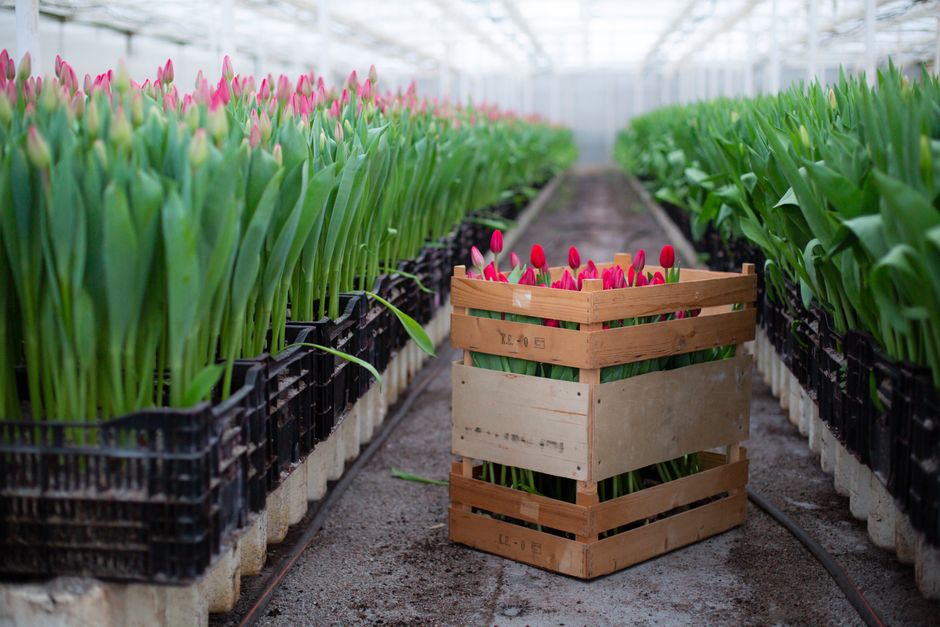
Myths About Imported vs UK-Grown Flowers, Debunked
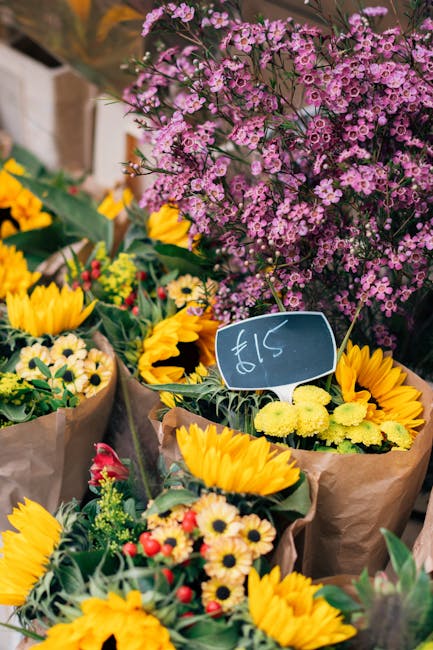
People often assume imported flowers are fresher, cheaper, or somehow "better" than UK-grown blooms. Others believe the opposite: that British flowers are always more sustainable, always longer-lasting, and always the sensible choice. Truth be told, both sides of that argument miss the real picture.
This guide on Myths About Imported vs UK-Grown Flowers, Debunked is here to cut through the folklore and help you make a better choice for birthdays, sympathy flowers, corporate displays, weddings, or just a vase on the kitchen table. The answer is not one-size-fits-all. It depends on season, stem type, journey time, care, and what matters most to you: price, scent, provenance, or reliability.
Let's unpack the myths properly, because once you understand how the flower trade really works, the decision becomes much easier.
- Why the myth-busting matters
- How imported and UK-grown flowers differ
- Benefits of each option
- Who should choose which flowers
- How to choose flowers step by step
- Expert buying and care tips
- Common mistakes to avoid
- Useful resources and recommendations
- Compliance, standards and best practice
- Imported vs UK-grown comparison
- Real-world example
- Practical checklist
- Conclusion
- Frequently asked questions
Why Myths About Imported vs UK-Grown Flowers, Debunked Matters
Flowers are one of those purchases people make with both the heart and the head. You want something beautiful, of course, but you also want value, quality, and a bit of reassurance that you're making the right choice. That's where the myths start to creep in.
Some customers think imported flowers are always handled badly because they travel further. Others assume UK-grown flowers are always seasonal, limited, and more expensive. Both claims can be true in a narrow sense sometimes, but not reliably enough to base every decision on.
Why does this matter? Because if you choose on the basis of myth, you may end up paying for the wrong thing. A bouquet can look stunning in the shop and still disappoint at home if it wasn't selected or cared for properly. On the other hand, a locally grown stem can be absolutely gorgeous and still not be the best fit for a winter event that needs a particular flower variety.
In practical terms, this topic matters for three reasons:
- Quality: freshness, vase life, and consistency all depend on handling, not just origin.
- Value: price should reflect seasonality, transport, rarity, and supply, not assumptions.
- Ethics and sustainability: the real impact depends on growing methods, logistics, packaging, and waste.
If you're buying for a home table, a shop, an event, or a last-minute gift, a clear-eyed view helps. No fluff. No guessing.
How Myths About Imported vs UK-Grown Flowers, Debunked Works
To debunk the myths, you need to understand the journey a flower takes. It's not just "grown here" versus "grown elsewhere." There's a whole chain behind the scenes: growing conditions, harvesting time, cooling, grading, transport, storage, wholesaling, conditioning, and final delivery.
Imported flowers are often grown in countries with favourable climates for certain varieties. That can mean year-round supply, access to blooms that are out of season in the UK, and sometimes more consistent availability. But the journey is longer, so good cold-chain handling matters. Without it, petals can soften, heads can droop, and vase life can suffer. Not always, but enough that it's worth paying attention.
UK-grown flowers, by contrast, are usually cut closer to the point of sale. That can reduce transit time and support freshness, especially for seasonal flowers and foliage. British growers also tend to work more closely with the rhythms of the seasons. You may notice the scent on some locally grown stems is stronger and more natural, especially with garden-style blooms. Lovely, really. A bit like bringing the hedgerow indoors.
Here's the important bit: origin is only one factor. A locally grown flower that has sat too long in warm conditions will underperform. An imported flower that has been expertly cooled, packaged, and delivered quickly may outlast it. So the smarter question is not "Where did it come from?" but "How well was it grown, handled, and delivered?"
That's the heart of the matter. And yes, it's less dramatic than the myths, but far more useful.
What actually affects freshness?
- Harvest stage: flowers cut too early or too late may open badly.
- Temperature control: cool storage slows deterioration.
- Water access: stems need hydration during conditioning and transport.
- Handling: bruised petals and crushed stems shorten vase life.
- Timing: the closer to the event or delivery, the better.
So when someone says imported flowers are "older" or UK-grown flowers are "always fresher," the answer is: sometimes, but not automatically.
Key Benefits and Practical Advantages
Once the myths are stripped away, both imported and UK-grown flowers have clear strengths. The right choice depends on what you're buying for and what matters most on the day.
| Factor | Imported flowers | UK-grown flowers |
|---|---|---|
| Seasonal availability | Often strong year-round access to a wider range of varieties | Best for seasonal British blooms and local foliage |
| Freshness potential | Can be excellent if logistics and cooling are well managed | Often excellent because the journey can be shorter |
| Scent and character | Varies by variety and handling | Often praised for natural fragrance and garden-style feel |
| Price stability | Can be more stable for popular non-seasonal stems | Can fluctuate with the UK growing season |
| Sustainability profile | Depends heavily on transport and growing methods | Often lower transport impact, though growing method still matters |
| Event suitability | Useful for specific colour palettes or out-of-season requests | Ideal for seasonal, natural, locally inspired arrangements |
The practical upside of imported flowers is range. If you need a particular bloom in a specific month, imported supply can make that possible. This is one reason florists and wholesale buyers sometimes rely on imports for weddings, large installations, and tight briefings.
The practical upside of UK-grown flowers is character. There's a lovely freshness to many British stems, especially in spring and summer, and customers often appreciate the local story behind the bouquet. If you like the idea of supporting British growers and keeping your flower miles lower, that carries real value too.
And just to be fair, many of the best arrangements use both. A florist might pair UK-grown roses or foliage with imported stems for balance, colour, or seasonality. There's no badge for purity here. There's just good design.
Who This Is For and When It Makes Sense
This topic is relevant to a wider group than most people expect. It's not just for keen gardeners or sustainability-minded shoppers. It matters if you buy flowers regularly, if you place orders for others, or if you manage floral spend across a business.
Home buyers
If you're buying flowers for your kitchen table, hallway, or a gift, you probably want the best mix of beauty, longevity, and value. Imported flowers may make sense when you want a specific flower that is out of season in the UK. UK-grown flowers make sense when you want freshness, scent, and a more seasonal feel.
Gift buyers
For birthdays, anniversaries, and thank-you bouquets, reliability matters. You want a bouquet that arrives looking good and opens well over the next few days. That's why many buyers look at flower delivery details and care guidance before they place an order.
Wedding and event planners
Events are where myths can become expensive. A bride may love the look of a flower seen online in January and assume it will be available locally at scale in June. Sometimes yes, sometimes no. The earlier you plan, the easier it is to match design vision with season and supply.
Corporate buyers
Offices, receptions, hotels, and hospitality venues often need dependable arrangements that look polished week after week. If you manage repeat orders, availability and consistency can matter more than origin alone. That's where a service like corporate accounts can be useful for organising regular supply without the hassle.
Sustainability-focused buyers
If environmental impact is a priority, you will want to go beyond simple labels. Ask about seasonal availability, packaging, waste reduction, and whether the supplier talks openly about its sourcing and sustainability approach. Nice-sounding claims are not enough. A little scrutiny helps.
Step-by-Step Guidance
If you want to choose between imported and UK-grown flowers without second-guessing yourself, use a simple process. It saves time and avoids impulse decisions that look good for a minute and then disappoint by day two.
- Start with the occasion. Is this for a gift, event, home display, sympathy tribute, or business setting? Each one has different priorities.
- Decide what matters most. Rank freshness, scent, colour choice, budget, local sourcing, or longevity. You can't optimise for everything at once, and that is fine.
- Check seasonality. Some flowers are naturally better value and better quality when they are in season in the UK.
- Ask about origin and handling. A good florist should be able to tell you whether a stem is imported or UK-grown, and how it has been cared for.
- Review delivery timing. If you need flowers for a particular morning or event setup, confirm dispatch and delivery expectations early. For details, it helps to read the supplier's delivery information.
- Think about vase life. Some stems look spectacular at first glance but open too quickly. Others arrive modest and improve beautifully over a few days.
- Check care instructions. Good flowers still need a little help. Fresh water, clean stems, and a cool room make a real difference.
- Place the order with context. If you know the recipient has a warm room, a pet, or limited time to change water, choose sturdier stems.
A practical example: if you're sending flowers to a flat in central London on a Friday afternoon, and the recipient won't be home until late, you may want robust stems with strong conditioning and a reliable delivery window. If you're arranging a garden lunch in late June, UK-grown seasonal flowers could be a beautiful fit. Simple. Sensible. No drama.
Expert Tips for Better Results
These are the little things that make a bouquet feel impressive, not just acceptable.
- Choose freshness over novelty. A well-handled standard rose often outperforms a fancy stem that has been poorly stored.
- Match flowers to the season. Seasonal UK blooms are often more natural-looking and can feel less forced in the vase.
- Use foliage intelligently. Good foliage adds structure and helps the arrangement last longer visually, even as blooms open.
- Ask for a mixed approach. If you want the best of both worlds, some arrangements combine imported and UK-grown stems very effectively.
- Keep the room cool. Heat speeds up opening and shortens vase life. Near a radiator? No thanks.
- Trim stems properly. A clean diagonal cut helps flowers take up water more efficiently.
- Don't overfill the vase. Crowding can damage petals and make the bouquet look tired faster than it should.
There's also a small but important mindset shift here: don't chase origin as a status symbol. Chase outcome. What will look best, smell best, and last best in your actual home or venue? That's the question worth answering.
And yes, sometimes the answer is the flower that looked a little ordinary in the shop but opens like a dream two days later. Flowers do enjoy a bit of suspense.
Common Mistakes to Avoid
Most disappointment comes from expectations, not the flowers themselves. Here are the mistakes that show up again and again.
- Assuming imported means lower quality. It doesn't. The handling chain matters more than the passport.
- Assuming UK-grown means always local and always sustainable. Growing method, season, energy use, and logistics all matter too.
- Buying out of season without checking alternatives. Sometimes a seasonal substitute looks even better and lasts longer.
- Ignoring the recipient's setup. A warm office, sunny window, or drafty hallway changes vase life quite a bit.
- Forgetting care instructions. Even excellent flowers need clean water and a little attention.
- Choosing only by price. The cheapest option is not always bad, but very low prices can sometimes reflect shorter vase life or simpler conditioning.
One common mistake in corporate settings is ordering the same stem all year round because it is "safe." Safe can become stale. A better strategy is to build a seasonal rotation with dependable core stems, then vary the supporting flowers when supply and quality allow.
Another one: people often judge flowers on day one only. Day one is not the whole story. You want flowers that open beautifully over several days, not ones that peak in the car on the way home.
Tools, Resources and Recommendations
You do not need a lot of equipment to make better flower choices, but a few practical tools help.
- Seasonal awareness: a simple note on what's naturally in season in the UK can help you decide faster.
- Care guidance: keep a copy of basic vase-care notes to hand, especially if you buy flowers regularly.
- Supplier transparency: look for clear origin information, delivery details, and sensible expectations about vase life.
- Order planning: for events or recurring office flowers, planning ahead improves availability and reduces rushed substitutions.
If you want a more hands-on approach after delivery, the site's flower care guidance is a useful place to start. It's one of those things people skim and then thank themselves for later.
For buyers who want reassurance around service expectations, it can also help to check guarantees, returns and refund details, and payment information before placing an order. Not glamorous, I know. Still important.
If you want to understand the business more fully, the pages on about us and contact us can also help you judge whether the brand feels responsive and transparent. That matters more than people admit.
Law, Compliance, Standards, or Best Practice
This topic is not usually about strict legal rules for the end customer, but there are still sensible standards and expectations worth understanding.
First, honest product description matters. Buyers should not be misled about flower origin, quality, or availability. If a supplier highlights UK-grown stems, that should be clear and accurate. If flowers are imported, that should not be hidden behind vague wording. In practice, the best florists are open about where stock comes from and when substitutions may happen.
Second, business buyers often care about responsible sourcing. That does not mean every imported flower is problematic or every UK-grown flower is automatically ethical. It means a supplier should be able to explain sourcing, labour expectations, and sustainability practices in plain English. If you manage a company account, that transparency is especially useful. You may want to review modern slavery information and sustainability commitments where available, because responsible sourcing is part of modern procurement practice.
Third, delivery promises should be realistic. If you are ordering for a special event, the florist's delivery window and care instructions should align with your needs. That is not red tape; it is basic professionalism. For practical expectations, the supplier's delivery details and flower delivery service information are worth reading closely.
Finally, accessibility and privacy pages are a quiet sign of a serious business. Not directly floral, granted, but still a good marker. A company that takes accessibility, privacy, and cookie use seriously tends to be more careful across the board.
Options, Methods, or Comparison Table
Here's a straightforward comparison to help you decide without getting lost in the marketing chatter.
| Decision factor | Imported flowers may be better when... | UK-grown flowers may be better when... |
|---|---|---|
| Specific flower type | You need a bloom that is not in season locally | You are happy to work with seasonal British varieties |
| Timing | You need reliable access year-round | You can plan around seasonal availability |
| Appearance | You want a specific form, colour, or structure | You want a natural, garden-inspired feel |
| Longevity | The supplier has strong cold-chain handling and quick turnover | The flowers are cut and delivered close to peak freshness |
| Environmental preference | You are considering the full supply chain, not just transport | You want shorter travel miles and local support where possible |
| Budget | The imported stem offers better availability at the right price | The seasonal stem is abundant locally and priced competitively |
The real takeaway? Neither option wins every time. The best choice depends on the brief. Imported flowers bring flexibility. UK-grown flowers bring seasonality and often a distinctly British charm. Many smart buyers use both, and that is perfectly reasonable.
Case Study or Real-World Example
Here is a realistic example based on what many buyers run into.
A small office in central London wants weekly reception flowers. The team originally assumes UK-grown is the only responsible option, so they insist on local stems all year. That works well in spring and summer. The arrangements look fresh, natural, and full of texture. Great.
Then winter arrives. The same brief becomes difficult. The team wants the same visual impact, but supply is tighter and the cost rises. The florist suggests a mixed approach: UK-grown foliage where available, paired with imported stems selected for reliability and consistency. The result looks better, lasts longer, and fits the budget more comfortably. Nobody misses the point about provenance; they just stop making provenance the only filter.
Another common scenario is a wedding couple who wants peonies in early spring. In the UK, that request may be possible in a limited way, but not always at the quality or volume they expect. Once they understand seasonality, they either adjust the palette or accept imported stock with proper handling. In both cases, the final arrangement can be lovely. The disappointment only comes when the expectation is unrealistic.
That is the quiet truth behind this whole topic: better outcomes usually come from better planning.
Practical Checklist
Use this quick checklist before you buy.
- Have I decided what matters most: price, scent, seasonality, longevity, or origin?
- Do I know whether the flowers are imported, UK-grown, or a mix of both?
- Have I checked whether the flowers are in season for the time of year?
- Do I understand the delivery timing and any cut-off times?
- Have I looked at care instructions so the flowers last well at home or in the office?
- Am I ordering for a warm room, a cool room, or an event setup with limited water access?
- Have I considered whether a mixed arrangement would be better than chasing one origin only?
- Do I know the supplier's policy on substitutions, refunds, and guarantees?
- For regular orders, have I reviewed account or service options that make life easier?
- Have I chosen flowers that suit the occasion rather than just the photo?
If you can tick most of those off, you are already ahead of many flower buyers. Seriously. Most people do not get that far.
Get a free quote today and see how much you can save.
Conclusion
The myths around imported and UK-grown flowers are attractive because they make a complicated subject feel simple. Imported flowers are not automatically inferior. UK-grown flowers are not automatically perfect. The best choice depends on season, handling, supply, occasion, and the feeling you want the arrangement to create.
If you remember one thing, make it this: origin matters, but care matters just as much. A flower that has been well grown, well cooled, well transported, and well looked after will usually outperform a flower chosen on assumption alone.
So whether you are ordering a birthday bouquet, planning a reception display, or choosing flowers for a wedding table on a bright June afternoon, choose with a clear head and a bit of curiosity. That approach tends to lead to better flowers, fewer regrets, and a much nicer vase on the windowsill. Simple enough, really.
Frequently Asked Questions
Are imported flowers worse than UK-grown flowers?
No. Imported flowers are not automatically worse. Quality depends on growing conditions, cooling, handling, and delivery speed. Some imported stems arrive in excellent condition and last beautifully.
Are UK-grown flowers always more sustainable?
Not always. UK-grown flowers can reduce transport miles, but sustainability also depends on heating, water use, packaging, and waste. It is better to look at the whole supply chain.
Do UK-grown flowers last longer in the vase?
They can, especially when they are cut close to delivery and handled well. But vase life is affected by many factors, including the flower type, room temperature, and how fresh the stems were at dispatch.
Why are some imported flowers cheaper?
Imported flowers can sometimes be cheaper because they are grown in regions with favourable climates or larger-scale production. Pricing also reflects supply, demand, seasonality, and the particular stem variety.
What is the best choice for a wedding?
It depends on the season, design brief, and budget. UK-grown flowers are often lovely for natural, seasonal weddings, while imported flowers can help secure specific blooms that are unavailable locally.
How can I tell if flowers are UK-grown or imported?
Ask the florist or supplier directly. A trustworthy seller should be able to explain origin clearly and tell you whether the arrangement uses local, imported, or mixed stems.
Do imported flowers have less scent?
Not necessarily. Scent varies by variety, freshness, and handling. Some imported flowers are highly fragrant, while some UK-grown blooms are not. Origin alone does not decide scent.
Are seasonal flowers always the best value?
Often, yes, because seasonal flowers are usually more abundant and suit the time of year naturally. But the best value still depends on quality, durability, and the final look you want.
Can I mix imported and UK-grown flowers in one arrangement?
Absolutely. In fact, many florists do this to balance seasonality, colour, texture, and reliability. It is often the most practical and attractive solution.
What should I ask before ordering flowers online?
Ask about origin, vase life, delivery timing, substitution policy, care instructions, and whether the arrangement is seasonal or bespoke. If you are ordering for business use, ask about repeat supply and account options too.
Do I need to worry about refunds if flowers arrive damaged?
Yes, it is wise to understand the supplier's policy before you buy. Check the returns and refund information and any guarantees so you know what to expect if there is a problem.
Where can I find more practical flower care help?
Start with the supplier's care guidance and delivery details. For example, the pages on flower care and delivery can help you make better choices and keep blooms looking fresh for longer.