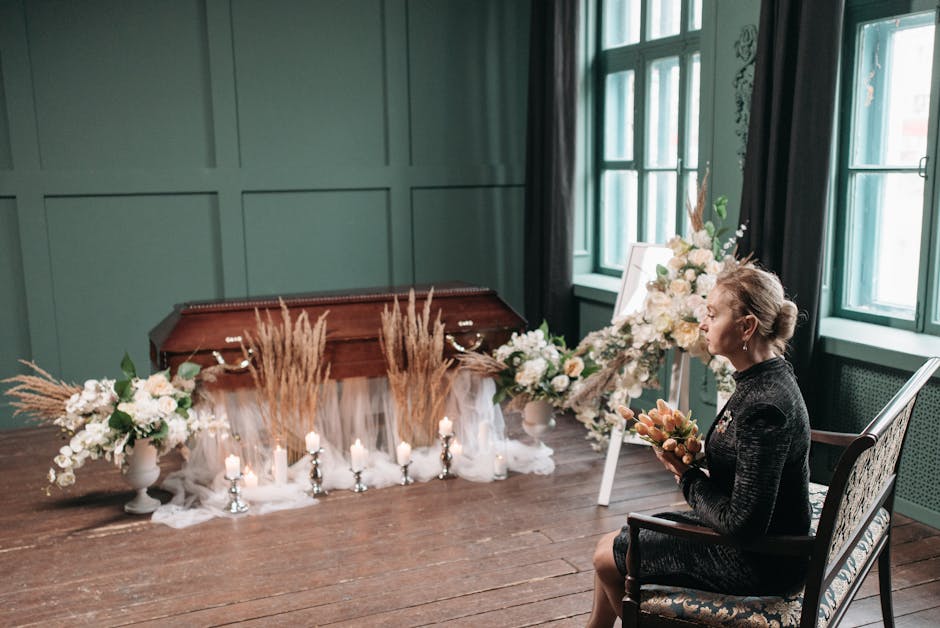
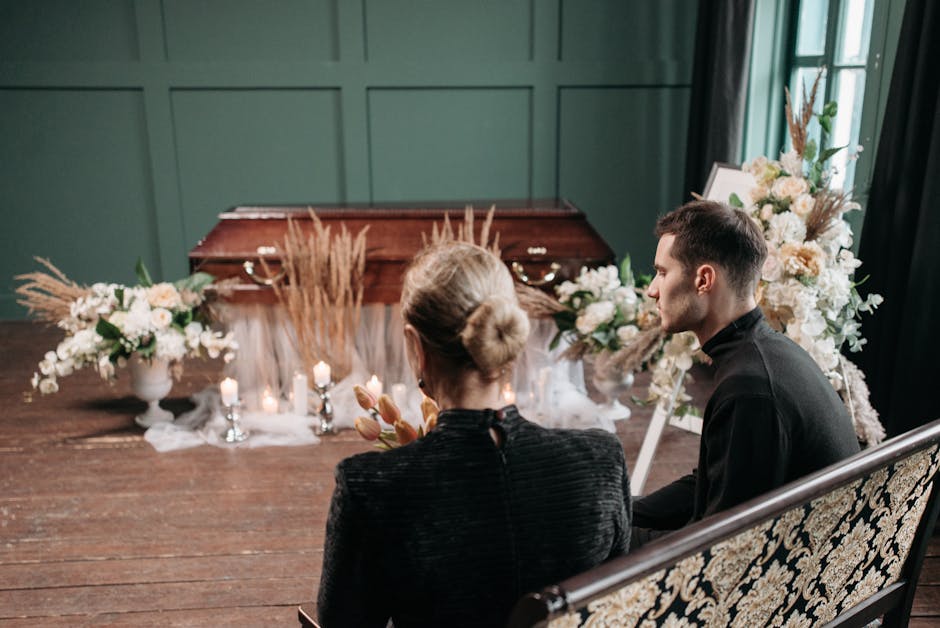
DIY Funeral Floral Tribute Layouts for Home Arrangers
Arranging flowers at home for a funeral is one of those tasks that feels simple on paper and deeply emotional in real life. You want it to look respectful, calm, and personal. You also want it to hold together properly, because the last thing anyone needs on a difficult day is a tribute that droops, gaps out, or looks untidy by the time it arrives. This guide to DIY funeral floral tribute layouts for home arrangers gives you practical layouts, clear steps, and a few grounded tips that make the work feel less daunting.
Whether you are preparing a table arrangement, a casket spray-style tribute, a standing design for a memorial service, or a small personal floral piece for home remembrance, the principles are similar: keep the shape steady, the message clear, and the finish gentle. Truth be told, you do not need a florist's workshop to do this well. You need a decent plan, the right flowers, and a bit of patience.
If you are sourcing blooms, it helps to choose a supplier that is clear about flower delivery, delivery options, and flower care, especially when timing matters. For extra reassurance on service expectations, some arrangers also like to check the site's guarantees and returns and refund information before they place an order. Small things, yes. But on a day like this, small things matter.
Table of Contents
- Why DIY Funeral Floral Tribute Layouts for Home Arrangers Matters
- How DIY Funeral Floral Tribute Layouts for Home Arrangers Works
- Key Benefits and Practical Advantages
- Who This Is For and When It Makes Sense
- Step-by-Step Guidance
- Expert Tips for Better Results
- Common Mistakes to Avoid
- Tools, Resources and Recommendations
- Law, Compliance, Standards, or Best Practice
- Options, Methods, or Comparison Table
- Case Study or Real-World Example
- Practical Checklist
- Conclusion
- Frequently Asked Questions
Why DIY Funeral Floral Tribute Layouts for Home Arrangers Matters
A funeral tribute is not just decoration. It is part of the farewell. It sits in the room, frames the memory, and often becomes one of the most photographed or remembered details from the day. That is why layout matters so much. A well-planned tribute feels composed rather than crowded, intentional rather than improvised.
For home arrangers, layout also matters because you are usually working without a floral studio setup. You may have a kitchen table, a pair of scissors, a few buckets, and maybe a bit of nerves. That is normal. The layout gives structure. It helps you decide where the focal flowers go, where the greenery supports the shape, and how to keep the tribute balanced from front to back.
There is also an emotional reason. Many people find the act of arranging calming, almost grounding. Cutting stems, placing blooms, stepping back, adjusting one rose slightly to the left - these small actions can feel like a quiet form of care. Not dramatic. Just honest.
And let's not pretend layout is only about aesthetics. It affects transport, water retention, longevity, and stability. A tribute that is too tall may tip. One that is too wide may be awkward to carry. One that is too dense may trap heat and shorten vase life. Good layout solves those problems before they start.
If you are also thinking about practical ordering and timing, the service pages on buytheflowers.co.uk can be a useful starting point for browsing seasonal options and understanding how supply and delivery are handled.
How DIY Funeral Floral Tribute Layouts for Home Arrangers Works
At its simplest, a floral tribute layout is the structural plan behind the flowers. Think of it as the shape, balance, and flow that hold the whole arrangement together. Once you understand the layout, choosing flowers becomes much easier because every stem has a job.
Start with the overall form
Most funeral floral tributes fall into a few common forms: cushion-style, spray-style, wreath-style, heart-shaped, lettered tributes, floral sheaves, and simple vase-based memorial arrangements. Each form uses the same basic idea: define the outline first, then build inward with supporting foliage and focal flowers.
A wreath, for example, needs a steady circular rhythm. A heart tribute needs clear curves and a readable centre line. A casket spray-style layout often uses a tapered profile, fuller at one end and lighter at the other so it sits naturally. If you skip this step and just start poking flowers in, the arrangement can drift oddly fast. Happens all the time.
Think in layers
A strong layout usually has three layers:
- Base layer: foliage, moss, foam, or a structure that supports the design.
- Middle layer: mass flowers that establish shape and volume.
- Top layer: focal blooms, accent flowers, or symbolic details that draw the eye.
That layering is useful because it keeps the tribute looking considered from every angle. Home arrangers often focus on the pretty flowers first, but the supporting layer is what makes the design stay together.
Balance is more important than perfection
You do not need perfectly mirrored sides unless the design calls for symmetry. In fact, many tributes look more natural with gentle asymmetry. The trick is visual balance. If one side is heavy with large blooms, the opposite side may need more greenery or a second point of interest so the design does not look lopsided.
This is where stepping back matters. Actually step back. Not just a glance from above. Move a few feet away and look at the arrangement as a whole. From that distance, you will spot the gaps and the awkward shapes far more clearly.
Key Benefits and Practical Advantages
Home arranging can be a very sensible choice, and not only for sentimental reasons. Done carefully, it gives you more control over the style, timing, and meaning of the tribute.
- Personal meaning: You can reflect the person's favourite colours, flowers, or garden style.
- Flexible budgeting: You can decide where to spend more and where to simplify.
- Creative control: The layout can be adapted to the venue, the coffin shape, or the memorial table.
- Timing flexibility: You can prepare parts in advance and finish close to the service.
- Better fit for home settings: Smaller domestic spaces often suit low-profile arrangements better than large commercial designs.
There is also a practical advantage that gets overlooked: you can build the tribute in stages. For example, you might prepare the base and greens in the morning, add the main flowers later, and place the final accent stems shortly before transport. That staggered method reduces stress and makes it easier to correct mistakes.
For anyone ordering flowers in advance, checking sustainability information can also help if you are trying to make thoughtful choices about packaging and sourcing. And if you are unsure about the business behind your order, the company's about us page is worth a look for background and values.
Who This Is For and When It Makes Sense
This approach suits a wide range of people. You might be a family member arranging flowers for a close relative. You might be a friend helping with a home memorial. You might simply want to keep things personal and manage the floral tribute yourself instead of outsourcing every detail.
It makes sense when:
- you want a more intimate, handmade tribute
- the service is at home, in a private venue, or in a small local setting
- you are comfortable with basic flower handling
- you want to keep the arrangement modest but meaningful
- you need to work around a tight schedule or delivery window
It may be less suitable when the tribute needs to travel a long distance, face hot weather, or stand up in a formal public setting for many hours. In those cases, a professional florist or a more robust structure may be the safer choice. No shame in that. In fact, knowing when to keep it simple is a sign of good judgement.
If the arrangement is part of a family order and several people are contributing, it can be useful to confirm delivery, payment, and timing details early. The support pages for payment and delivery can help set expectations before the flowers arrive.
Step-by-Step Guidance
Here is a practical way to plan and build a funeral floral tribute at home without making the process harder than it needs to be.
1. Choose the tribute shape first
Before selecting stems, decide on the outline. Ask yourself: should this feel formal, soft, compact, or open? A round wreath feels different from a long sheaf, and a heart-shaped tribute sends a stronger symbolic message than a simple mixed arrangement. Shape drives everything else.
2. Measure the available space
Work out where the tribute will sit and how much room you have for transport. If the arrangement is going into a car boot, for example, height may be more important than width. If it is going on a table at home, low and broad may be better. A tape measure is boring but useful. Sorry, glamorous this is not.
3. Prepare a stable base
Use a clean container, wreath base, floral foam, chicken wire, or another support that suits the design. Make sure the structure is secure and soaked if required. A shaky base creates problems later, especially when the flowers begin to drink and shift slightly.
4. Build the greenery outline
Use foliage to trace the outline of the design. This is where the arrangement starts to look like something. The greenery helps you see the shape before you commit to the flowers. It also softens transitions between blooms and keeps the tribute from appearing too stiff.
5. Place the focal flowers
Now add the main blooms. These are usually the larger roses, lilies, chrysanthemums, carnations, or other meaningful flowers. Place them with intention. One strong focal cluster can be more elegant than scattering large blooms everywhere.
6. Fill the spaces thoughtfully
Use smaller flowers to bridge gaps and add texture. Keep checking the silhouette as you go. If you keep filling every empty pocket without looking up, the arrangement can become crowded very quickly. Less can be better. Often is, really.
7. Add symbolic details
Ribbons, letter shapes, favourite flowers, or colour cues can make the tribute feel personal. This is where a home-arranged piece often shines, because you can include small meaningful details that reflect the person being remembered.
8. Step back and refine
Look at the tribute from different angles. Correct uneven lines, remove anything that feels too dominant, and make sure the front-facing message reads clearly. Then check the stem ends, the water level, and whether the arrangement will stay stable during transport.
9. Pack for travel carefully
Use a flat tray, a non-slip base, or a box to stop movement. If the tribute is fragile, keep it cool and avoid long stops. On a warm afternoon, even a lovely arrangement can fade faster than you expect. A bit annoying, but true.
Expert Tips for Better Results
These are the small decisions that tend to make the biggest difference.
- Use odd numbers for natural groupings: three or five focal blooms often look calmer than an even, rigid line.
- Choose one dominant flower: let one variety lead the design so the tribute has a clear visual anchor.
- Keep a cool workspace: flowers open and hold better in cooler indoor conditions.
- Trim stems at an angle: it helps with water uptake and makes placement easier.
- Test the layout before the final fix: place stems loosely first, then commit once you like the shape.
- Match colour to mood: whites, creams, and greens feel calm; deeper tones feel more formal; soft pinks and lilacs can feel gentler and more personal.
One practical tip many home arrangers appreciate: photograph the tribute halfway through. It sounds slightly fussy, but a phone photo often reveals issues you missed with your eyes. The arrangement may look balanced in person and oddly heavy in the picture, or the other way round. Either way, it helps.
If you are caring for delicate stems, the guidance on flower care can be useful for keeping the tribute fresher for longer. For the same reason, some arrangers also review the supplier's flower care advice if they are sourcing mixed blooms and want handling tips.
Common Mistakes to Avoid
Most DIY tribute problems come from a handful of very ordinary mistakes. Luckily, they are easy to avoid once you know what to watch for.
- Overcrowding the design: too many flowers can hide the shape and make the tribute feel heavy.
- Ignoring transport: a design that looks fine on the table may fail in the car.
- Using weak stems as anchors: delicate stems should support the look, not carry the load.
- Forgetting the reading distance: details that look lovely close up may vanish from a few feet away.
- Mixing too many colours: a tight palette often feels more respectful and coherent.
- Leaving gaps at the end: unfinished edges can make the whole tribute look rushed.
Another common issue is trying to make the arrangement too perfect. Funeral flowers are not meant to feel glossy or over-styled. They should feel thoughtful. If a tiny line is a little uneven, that is not a disaster. It may even make the piece feel more human, which is often exactly right.
Tools, Resources and Recommendations
You do not need a mountain of equipment, just the basics used well. Here is a sensible starter list for home arrangers:
- clean secateurs or sharp scissors
- bucket or vase for conditioning flowers
- floral foam, wreath base, or supportive wire structure
- floral tape where useful
- waterproof tray or liner
- ribbon or name lettering if required
- soft cloths for drying surfaces and keeping stems tidy
For sourcing and service reassurance, it is often worth checking the supplier's practical pages before ordering. You may want to review flower delivery, the main homepage, and the site's guarantees if you want to understand delivery confidence and what happens if something goes wrong. If you are arranging for a business, care home, or office memorial, the corporate accounts page can also be relevant.
And if you have a question that is specific to your order or setup, using the contact page early is often better than waiting until the last minute. The team at contact us may be able to help you avoid a silly little issue that becomes a bigger one later. Happens more than people think.
Law, Compliance, Standards, or Best Practice
For a home-arranged funeral tribute, the main compliance concerns are usually practical rather than formal. If the flowers are being carried to a venue, placed in a vehicle, or displayed in a public setting, safe handling and clear transport matter more than anything else. There may also be venue-specific expectations around size, placement, candles, water containers, or access routes, so it is sensible to check with the funeral director, celebrant, or venue in advance.
In the UK, it is also good practice to be careful with any public claims about delivery times, freshness, or environmental sourcing unless they are clearly stated by the supplier. That is one reason trust pages such as privacy policy, terms and conditions, and accessibility information can be useful. They do not make the flowers prettier, of course, but they do help show how a business operates and what a customer can reasonably expect.
Where sustainability matters to you, look for plain-language sourcing information rather than vague claims. The page on sustainability is a sensible place to start if you want a better sense of packaging, logistics, and environmental positioning.
Options, Methods, or Comparison Table
Different layouts suit different needs. The best one depends on the tribute's purpose, how it will travel, and how personal you want it to feel.
| Layout type | Best for | Strengths | Watch-outs |
|---|---|---|---|
| Wreath | Formal remembrance, table display, symbolic circular design | Balanced, timeless, easy to read visually | Can look sparse if not layered properly |
| Casket spray-style layout | Funeral viewing or coffin-top placement | Structured, elegant, adaptable in size | Needs secure base and careful transport |
| Heart tribute | Personal tribute from close family or partner | Emotionally expressive, recognisable shape | Curves must be kept even to avoid a distorted outline |
| Lettering tribute | Names, initials, or short messages | Highly personal and memorable | Time-consuming and more technically demanding |
| Sheaf or tied bouquet | Simple home memorial, graveside visit, portable tribute | Easy to carry, graceful, practical | Can feel too plain if not finished well |
If you are uncertain, a low-profile mixed tribute is often the safest choice for a first attempt. It is easier to manage, easier to transport, and easier to adjust if something looks slightly off. To be fair, most people arranging flowers at home are not trying to win a competition. They want something sincere.
Case Study or Real-World Example
Imagine a daughter arranging flowers at home for her father's memorial tea. She wants the tribute to feel calm, traditional, and personal, but she does not want anything overblown. She chooses white roses, cream spray carnations, eucalyptus, and a few touches of soft blue delphinium because blue was his favourite colour. Nothing flashy. Just thoughtful.
She starts with a shallow wreath base for the table. First comes the eucalyptus, placed to create a soft circular outline. Then she adds the roses in small groups, leaving space so the flowers can breathe. The carnations fill the gaps and soften the edges. Finally, she tucks in the blue blooms at three points around the circle so the colour feels intentional rather than scattered.
Halfway through, the arrangement looks a bit odd from one side. That is normal. She steps back, moves one cluster a few inches, and suddenly the whole piece feels calmer. On the morning of the memorial, the flowers still look fresh, the shape holds, and the tribute feels like it belongs in the room. Not perfect. Better than perfect, maybe. It feels like him.
That is really the point of a good DIY floral tribute layout. It should support the memory without shouting over it.
Practical Checklist
Use this quick checklist before you finish the arrangement:
- Have I chosen the correct tribute shape for the venue and purpose?
- Is the base stable and suitable for transport?
- Do I have enough greenery to define the outline?
- Have I placed the main flowers in clear focal groups?
- Does the colour palette feel calm and coherent?
- Have I stepped back to check balance from a distance?
- Are the stems trimmed cleanly and watered properly?
- Will the tribute fit safely in the car or carrying box?
- Have I checked timing, delivery, and any venue instructions?
- Do I have a backup plan if one flower opens too much or a stem breaks?
If you can tick most of those off, you are in good shape. Do not overthink the final polish. A steady, sincere tribute is better than an overworked one.
Conclusion
DIY funeral floral tribute layouts for home arrangers are not about producing a perfect showpiece. They are about creating something stable, respectful, and personal enough to carry meaning. When you focus on layout first, the arrangement becomes easier to build, easier to transport, and easier to trust on the day.
Start with the shape. Build the structure. Keep the palette calm. Step back often. And if the flowers feel a little imperfect, remember that human hands made them. That is often what gives a tribute its quiet warmth.
Get a free quote today and see how much you can save.
If you are still deciding how to source your flowers, compare delivery details, care guidance, and service information before you buy. A little preparation now can spare a lot of stress later, and that matters when the day is already carrying enough weight.
Frequently Asked Questions
What is a DIY funeral floral tribute layout?
It is the planned structure behind a funeral flower arrangement, including shape, balance, flower placement, and support. The layout helps the tribute look composed and stay stable.
Do I need floral foam for a home-arranged tribute?
Not always. Floral foam can help in some designs, but wreath bases, wire supports, and water-holding containers can also work. The best choice depends on the shape and how the tribute will be used.
Which flowers are best for a funeral tribute at home?
Common choices include roses, lilies, chrysanthemums, carnations, hydrangeas, and seasonal greenery. The best flowers are usually the ones that suit the person being remembered and the practical conditions.
How far in advance can I make the arrangement?
It is usually best to prepare as close to the service as practical, especially if the tribute includes delicate blooms. You can still plan the structure earlier and finish the final placement later.
How do I keep a tribute fresh for longer?
Condition flowers properly, keep them cool, trim stems cleanly, and avoid leaving the arrangement in direct heat or a warm car. The supplier's flower care guidance can also help.
What is the easiest layout for a beginner?
A low, mixed tribute or simple sheaf is often the easiest starting point. It is easier to control than a complicated lettered or heart-shaped design.
Can I make a tribute without professional tools?
Yes, if you have clean cutting tools, a stable base, and a sensible design. You do not need a full florist setup to make something respectful and neat.
How much flower volume do I need?
That depends on the size of the tribute and the density you want. A fuller design needs more stems, while a simpler tribute can look elegant with fewer, well-placed flowers.
Should a funeral tribute be symmetrical?
Not necessarily. Some designs work best with symmetry, but many look more natural with gentle balance rather than exact mirroring. The important thing is that the shape feels intentional.
What should I do if the flowers arrive differently from what I expected?
First, check the delivery details and the supplier's terms or guarantees. If anything is missing or clearly unsuitable, contact the florist or retailer promptly so you can decide on a fix.
Are there any venue rules I should check?
Yes. Some venues may have preferences about arrangement size, water containers, placement, or access. It is always wise to confirm those details before the day.
How do I choose between buying online and arranging everything myself?
If you want full control and enjoy hands-on work, home arranging can be rewarding. If timing, travel, or scale feels overwhelming, ordering from a florist may be the calmer option. Sometimes a mix of both works best.
Where can I find delivery and support information before ordering?
Look at the delivery, payment, guarantees, returns, and contact pages before you commit. Those pages help you understand what to expect and who to speak to if plans change.